What Is Land: Meaning, Types, Uses, and Importance in Real Estate
Published: 14 Mar 2026
Land is one of the most valuable and fundamental resources on Earth. It plays a critical role in human life, economic development, agriculture, real estate, and environmental sustainability. From building homes and businesses to growing food and preserving ecosystems, land supports nearly every aspect of modern civilization, and more results can be achieved if investment is according to Land Investment Guide
In the context of real estate and property ownership, land refers to the physical surface of the Earth along with everything permanently attached to it. Unlike other types of assets, land is limited in supply and cannot be manufactured, which makes it a highly valuable investment.

Throughout history, land ownership has represented wealth, power, and security. Individuals, businesses, and governments rely on land for residential development, commercial activities, industrial operations, farming, and infrastructure.
Understanding what is land, how it is categorized, and how it can be used is essential for investors, property buyers, farmers, developers, and policymakers. This comprehensive guide explores the meaning of land, its different types, characteristics, uses, benefits, and its role in real estate and economic development.
Definition of Land
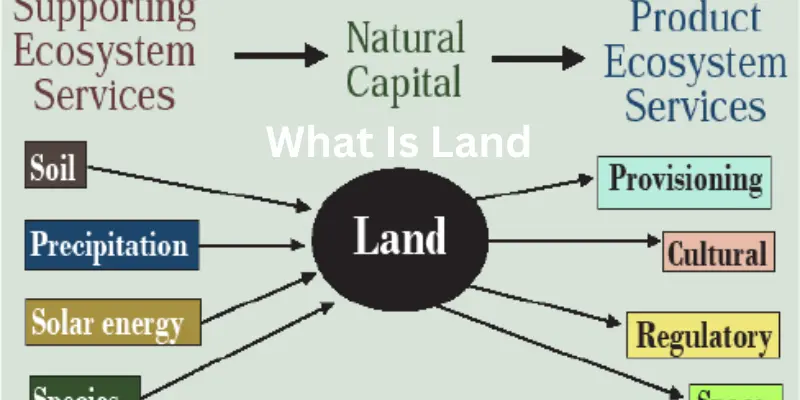
Land is the solid surface of the Earth that is not covered by oceans, seas, or other bodies of water. In economic and legal terms, land refers to a natural resource that includes the soil, minerals, natural vegetation, and other natural elements present on or beneath the surface.
In real estate, land is considered immovable property, meaning it cannot be moved from one location to another. It is the foundation on which buildings, roads, farms, and infrastructure are developed.
Land ownership typically includes:
- The surface of the ground
- Natural resources beneath the land (in some cases)
- Trees and vegetation
- Permanent structures or improvements built on it
However, laws regarding land ownership vary from country to country, particularly regarding mineral rights, water rights, and air rights.
Characteristics of Land
Land has several unique characteristics that distinguish it from other types of property or assets.
1. Limited Supply
One of the most important characteristics of land is that it is finite. The total amount of land on Earth cannot be increased, making it a scarce resource.
2. Immobility
Land cannot be moved from one place to another. Its value is strongly influenced by its location.
3. Durability
Unlike buildings or machinery that may depreciate over time, land itself does not wear out or lose its physical existence.
4. Heterogeneity
Every piece of land is unique. Differences in location, soil quality, topography, climate, and accessibility make each land parcel different from another.
5. Long-Term Value
Land often retains or increases its value over time, especially in growing cities and developing regions.
Types of Land
Land can be categorized in many ways depending on its purpose, usage, and legal classification. Below are the most common types of land.
1. Residential Land
Residential land is used for building houses, apartments, and residential communities.
Examples include:
- Housing plots
- Villa plots
- Apartment development land
- Suburban residential areas
Residential land is one of the most common types of land used in real estate development.
2. Commercial Land
Commercial land is used for business activities and commercial buildings.
Examples include:
- Shopping centers
- Office buildings
- Hotels
- Restaurants
- Retail stores
Commercial land is typically located in urban or high-traffic areas where businesses can attract customers.
3. Agricultural Land
Agricultural land is used for farming and food production. This type of land is essential for growing crops and raising livestock.
Common uses include:
- Crop cultivation
- Dairy farming
- Orchards
- Poultry farms
- Livestock grazing
Agricultural land plays a major role in supporting global food supply.
4. Industrial Land
Industrial land is designated for factories, warehouses, and manufacturing facilities.
Examples include:
- Manufacturing plants
- Logistics warehouses
- Industrial parks
- Processing units
Industrial land is usually located outside residential areas due to noise, pollution, and heavy transportation activities.
5. Recreational Land
Recreational land is used for leisure and tourism activities.
Examples include:
- Parks
- Golf courses
- Resorts
- Camping sites
- Sports complexes
Such land contributes to tourism and community recreation.
6. Raw or Undeveloped Land
Raw land is land that has not been developed or improved. It typically lacks infrastructure such as roads, electricity, water supply, or buildings.
Investors often purchase raw land as a long-term investment, expecting its value to increase when development occurs nearby.
Importance of Land
Land is essential for economic growth, environmental stability, and human survival. Its importance can be understood through several key roles.
1. Foundation for Development
All physical infrastructure—homes, offices, roads, airports, and factories—requires land.
Without land, urban development and industrial growth would not be possible.
2. Agricultural Production
Land provides the soil necessary for growing crops and producing food. Agriculture depends heavily on land availability and fertility.
3. Natural Resource Source
Land contains many valuable natural resources, including:
- Minerals
- Fossil fuels
- Timber
- Water sources
These resources are critical for industries and energy production.
4. Environmental Balance
Land supports ecosystems and biodiversity. Forests, grasslands, and wetlands provide habitats for wildlife and maintain ecological balance.
5. Economic Asset
Land is considered a valuable investment asset. Many investors buy land because it can appreciate over time and generate long-term returns.
Land in Real Estate
In real estate, land is the starting point for all property development. Every residential building, commercial project, or industrial facility begins with acquiring land.
Land as an Investment
Land investment is popular because:
- It usually requires less maintenance
- It has long-term appreciation potential
- It can be developed in the future
Investors often buy land in developing areas where future infrastructure projects may increase property value.
Land Development
Land development involves improving raw land for construction or commercial use. This process may include:
- Road construction
- Utility installation
- Zoning approval
- Land subdivision
- Infrastructure development
Developers transform raw land into residential communities, shopping centers, or industrial zones.

Factors That Affect Land Value
Several factors influence the value of land.
1. Location
Location is the most important factor affecting land value. Land near cities, transportation hubs, and commercial centers is usually more expensive.
2. Accessibility
Land that has easy access to roads, highways, and public transportation tends to have higher value.
3. Infrastructure
Availability of electricity, water supply, internet, and sewage systems increases land value.
4. Zoning Regulations
Local government regulations determine how land can be used. Zoning laws may restrict land for residential, commercial, or industrial purposes.
5. Market Demand
Demand for land in growing urban areas often leads to higher prices.
Advantages of Land Investment
Land investment offers several benefits compared to other real estate assets.
Low Maintenance
Unlike buildings, land requires minimal maintenance costs.
Long-Term Appreciation
Land values often increase over time as cities expand and infrastructure improves.
Flexible Use
Land can be used for residential, agricultural, commercial, or industrial purposes depending on zoning regulations.
Limited Supply
Since land supply is limited, its value tends to rise as demand increases.
Disadvantages of Land Investment
Despite its advantages, land investment also has some challenges.
Slow Returns
Land may take years to appreciate, especially in undeveloped areas.
Lack of Immediate Income
Unlike rental properties, land typically does not generate regular income unless leased.
Development Costs
If investors plan to develop land, they must bear infrastructure and construction costs.
Regulatory Restrictions
Zoning laws and government regulations may limit how land can be used.
Land Ownership and Legal Rights
Land ownership involves legal rights and responsibilities. When a person owns land, they usually have the right to:
- Use the land
- Sell the land
- Lease the land
- Develop the land
However, ownership rights may be limited by local laws, zoning regulations, and environmental protections.
Before purchasing land, buyers should verify:
- Land title and ownership documents
- Zoning classification
- Legal disputes or encumbrances
- Government regulations
Conducting proper legal verification helps avoid future disputes.
Environmental Importance of Land
Land is essential for maintaining environmental balance and supporting ecosystems.
Soil Conservation
Healthy soil supports agriculture and prevents erosion.
Forest Protection
Forests play an important role in climate regulation and biodiversity conservation.
Wildlife Habitat
Many species depend on land ecosystems for survival.
Sustainable land management practices are necessary to protect natural resources for future generations.
Future of Land Use
As the global population continues to grow, the demand for land will increase. Urbanization, infrastructure development, and agricultural expansion will continue to shape land use patterns.
Modern technologies such as smart cities, sustainable agriculture, and green infrastructure will influence how land is developed and managed.
Governments and urban planners are increasingly focusing on sustainable land use to balance economic growth with environmental protection.
Comparison Table: Land vs Plot vs Property
| Feature | Land | Plot | Property |
|---|---|---|---|
| Definition | Natural surface of the Earth that can be owned or used. | A smaller, measured portion of land usually prepared for construction. | Any real estate asset including land, buildings, or both. |
| Development Level | May be raw or undeveloped. | Usually planned or divided for building purposes. | Often already developed with buildings or structures. |
| Usage | Agriculture, forestry, investment, development. | Residential or commercial construction. | Living, renting, business operations, or investment. |
| Infrastructure | May not have roads, utilities, or services. | Often includes basic infrastructure like roads or utilities. | Usually fully developed with utilities and buildings. |
| Investment Purpose | Long-term investment or development. | Buying for building homes or commercial units. | Immediate use, rental income, or resale value. |
| Examples | Farmland, forest land, desert land. | Housing plot, commercial plot. | House, apartment, office building, villa. |
FAQs on “What Is Land”
1. What is land in simple words?
Land is the solid surface of the Earth that people can own, use, or develop. It includes the soil, natural resources, and everything permanently attached to the ground such as trees or buildings.
2. What is land in real estate?
In real estate, land refers to a piece of ground that can be bought, sold, leased, or developed. It is the base on which residential, commercial, agricultural, or industrial properties are built.
3. What are the main types of land?
The main types of land include residential land, commercial land, agricultural land, industrial land, recreational land, and undeveloped (raw) land.
4. Why is land considered a valuable investment?
Land is valuable because it is limited in supply, requires low maintenance, and often increases in value over time as cities grow and infrastructure develops.
5. Can land generate income?
Yes, land can generate income if it is leased for farming, commercial use, parking, advertising, or future development projects.
6. What factors affect the value of land?
The value of land depends on several factors including location, accessibility, infrastructure, zoning laws, soil quality, and market demand.
Summary
Land is one of the most valuable natural resources and the foundation of real estate and economic development. It refers to the Earth’s surface and includes the natural resources present on or beneath it.
Land is characterized by limited supply, immobility, durability, and uniqueness. It can be classified into several types, including residential land, commercial land, agricultural land, industrial land, recreational land, and raw land.
Land plays a crucial role in housing, food production, economic growth, and environmental sustainability. Its value is influenced by factors such as location, infrastructure, accessibility, zoning laws, and market demand.
Although land investment may require patience and careful planning, it remains one of the most stable and valuable long-term investment options.
Conclusion
Understanding what land is and how it functions within real estate and economic systems is essential for property buyers, investors, and developers. Land provides the foundation for homes, businesses, agriculture, and infrastructure, making it one of the most important resources on the planet.
While land investment offers long-term value and stability, it also requires proper research, legal verification, and strategic planning. Factors such as location, zoning regulations, and future development plans significantly impact land value and potential returns.
As cities expand and populations grow, land will continue to play a central role in shaping economies and communities. Sustainable land management and responsible development will be critical for ensuring that land remains a valuable resource for future generations.






- Be Respectful
- Stay Relevant
- Stay Positive
- True Feedback
- Encourage Discussion
- Avoid Spamming
- No Fake News
- Don't Copy-Paste
- No Personal Attacks
- Be Respectful
- Stay Relevant
- Stay Positive
- True Feedback
- Encourage Discussion
- Avoid Spamming
- No Fake News
- Don't Copy-Paste
- No Personal Attacks
