Real Estate Meaning: Complete Beginner to Expert Guide
Published: 25 Mar 2026
Introduction
Understanding the real estate meaning and What Is Real Estate is essential for anyone interested in property, investment, or business. Real estate plays a major role in the global economy and is one of the most reliable ways to build long-term wealth. Whether you are a beginner, investor, or someone planning to buy a home, knowing the real estate meaning helps you make informed decisions.
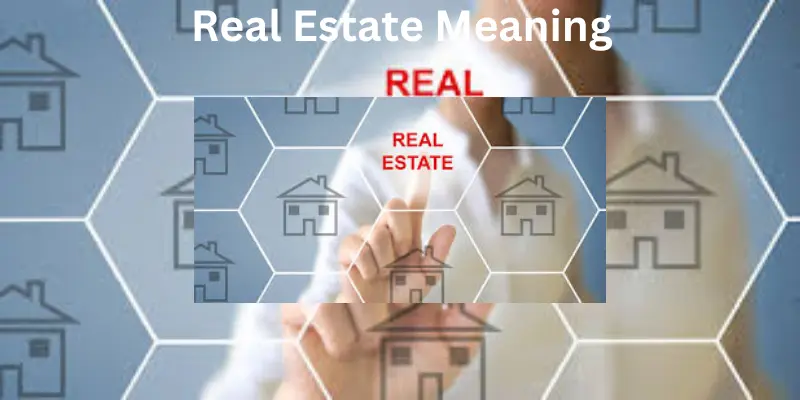
In simple terms, real estate refers to land and anything permanently attached to it, such as buildings, houses, and natural resources. However, the concept goes much deeper when you explore its types, uses, legal aspects, and financial opportunities.
This detailed guide explains the real estate meaning, its types, how it works, benefits, risks, and much more. If you’re wondering whether property is the right asset for long-term wealth creation, don’t miss our comprehensive guide, “Is Real Estate a Good Investment in India” It covers the key benefits and risks of investing in Indian real estate, current market trends, rental income potential, capital appreciation, and expert insights to help you make informed investment decisions.
History of Real Estate
The real estate meaning has evolved significantly over time, dating back to ancient civilizations. In early societies such as Mesopotamia and Egypt, land ownership was linked to power and agriculture. Kings and rulers controlled vast areas, while individuals were granted rights to use land.
During the Roman Empire, structured property laws were introduced, forming the foundation of modern real estate systems. The concept of private ownership became more defined, and legal frameworks were established.
In the Middle Ages, land ownership was controlled under feudal systems where nobles owned land and peasants worked on it. The Industrial Revolution later transformed the real estate meaning, as urbanization increased demand for residential and commercial properties.
In modern times, real estate has become a global industry involving investment, development, and digital transactions. Today, it is a key driver of economic growth worldwide.
What is Real Estate Meaning?
The real estate meaning refers to property consisting of land, buildings, and natural resources like water, minerals, and crops. It includes both residential and commercial properties and is considered a tangible asset.
Real estate can be categorized into:
- Land
- Residential property
- Commercial property
- Industrial property
Unlike movable assets, real estate is immovable and has a fixed location. This makes it unique and often more stable compared to other investments.
Types of Real Estate
To fully understand the real estate meaning, it is important to know its major types:
1. Residential Real Estate
Residential real estate includes properties used for living purposes such as:
- Houses
- Apartments
- Villas
- Condominiums
This is the most common type and often the first step for new investors.
2. Commercial Real Estate
Commercial real estate refers to properties used for business activities, including:
- Office buildings
- Shopping malls
- Retail stores
- Hotels
These properties generate income through rent or leasing.
3. Industrial Real Estate
Industrial properties are used for production and manufacturing, such as:
- Factories
- Warehouses
- Distribution centers
They are crucial for economic growth and logistics.
4. Land
Land is the most basic form of real estate and includes:
- Undeveloped land
- Agricultural land
- Plots for construction
Land often appreciates over time, making it a valuable investment.
Key Components of Real Estate
Understanding the real estate meaning also involves knowing its components:
1. Land
The foundation of all real estate. It includes the earth’s surface and natural resources.
2. Improvements
These are man-made additions such as buildings, roads, and utilities.
3. Property Rights
Ownership gives the right to use, sell, lease, or transfer the property.
How Real Estate Works
The real estate meaning becomes clearer when you understand how the industry operates:
Buying and Selling
Buyers purchase property either for personal use or investment. Sellers aim to earn profit.
Leasing and Renting
Property owners lease their assets to tenants for regular income.
Investment
Investors buy real estate to earn returns through appreciation or rental income.
Development
Developers purchase land and construct buildings to sell or lease.
Importance of Real Estate
The real estate meaning is closely linked to its importance in everyday life and the economy:
- Provides shelter and living space
- Generates employment
- Drives economic growth
- Offers investment opportunities
- Acts as a wealth-building asset
Real Estate as an Investment
Real estate is considered one of the safest investment options.
Benefits
- Long-term appreciation
- Passive income through rent
- Tax advantages
- Portfolio diversification
Risks
- Market fluctuations
- High initial investment
- Maintenance costs
- Legal complexities
Real Estate vs Other Investments
| Feature | Real Estate | Stocks | Gold |
|---|---|---|---|
| Tangibility | Physical asset | Digital | Physical |
| Risk Level | Moderate | High | Low |
| Income | Rental income | Dividends | None |
| Liquidity | Low | High | High |
| Appreciation | Stable | Volatile | Moderate |
This comparison helps clarify the real estate meaning as a stable and tangible investment option.
Factors Affecting Real Estate Value
Several factors influence property prices:
Location
The most important factor. Properties in prime locations have higher value.
Demand and Supply
High demand and low supply increase prices.
Economic Conditions
Interest rates, inflation, and employment levels affect the market.
Infrastructure Development
Roads, schools, and hospitals increase property value.
Legal Aspects of Real Estate
Understanding legal aspects is crucial in defining the real estate meaning:
- Property ownership laws
- Registration and documentation
- Zoning regulations
- Taxation policies
Legal compliance ensures safe and secure transactions.
Real Estate Market Trends (2026)
The real estate industry continues to evolve:
- Rise of smart homes
- Increased demand for sustainable housing
- Growth of co-working spaces
- Digital property transactions
- Expansion of suburban areas
These trends shape the modern real estate meaning.

Common Real Estate Terms
Understanding these terms helps clarify the real estate meaning:
- Appreciation: Increase in property value
- Depreciation: Decrease in value
- Mortgage: Loan used to buy property
- Equity: Ownership value in property
- Lease: Agreement to rent property
Advantages and Disadvantages of Real Estate
Advantages
- Stable income source
- Long-term wealth creation
- Inflation hedge
- Tangible asset
Disadvantages
- High capital requirement
- Low liquidity
- Maintenance responsibility
- Legal risks

Steps to Get Started in Real Estate
1. Understand the Real Estate Meaning
Learn the basics before investing.
2. Set Financial Goals
Decide whether you want rental income or long-term growth.
3. Research the Market
Study location, trends, and property values.
4. Choose the Right Property
Select based on budget and purpose.
5. Secure Financing
Apply for loans if needed.
6. Complete Legal Formalities
Ensure all documents are verified.
How Real Estate Agents Work
Understanding how agents operate helps clarify the real estate meaning in practical terms. Real estate agents act as intermediaries between buyers and sellers.
Their main responsibilities include:
- Listing properties for sale or rent
- Marketing properties to potential buyers
- Negotiating deals
- Assisting with legal documentation
- Providing market insights
Agents earn commissions, usually a percentage of the property’s sale price. They play a crucial role in simplifying complex transactions and ensuring smooth processes.
Real Estate Business Models
The real estate meaning also includes various business models that generate income:
Brokerage Model
Agents and brokers earn commissions by facilitating transactions.
Rental Model
Property owners earn income by renting out properties.
Development Model
Developers purchase land, build projects, and sell or lease them.
Flipping Model
Investors buy undervalued properties, renovate them, and sell for profit.
REIT Model (Real Estate Investment Trusts)
Investors pool money to invest in large-scale properties and earn dividends.
Real Estate Marketing Strategies
Marketing is essential in enhancing the real estate meaning as a business:
Digital Marketing
- Social media promotions
- SEO-optimized listings
- Virtual tours
Traditional Marketing
- Print ads
- Billboards
- Open houses
Content Marketing
Blogs and videos educate buyers and build trust.
Email Marketing
Agents use email campaigns to target potential clients.
Effective marketing increases visibility and accelerates property sales.
Global Real Estate Market Trends (2026)
The real estate meaning continues to evolve with new trends:
- Smart homes with automation features
- Eco-friendly and sustainable housing
- Growth of remote work influencing housing demand
- Rise of co-living and co-working spaces
- Increased use of AI and big data in property decisions
These trends highlight the dynamic nature of the global real estate market.
Real Estate Financing Options Explained
Financing plays a major role in understanding the real estate meaning:
Mortgage Loans
Banks provide loans to purchase property.
Home Equity Loans
Borrowing against existing property value.
Real Estate Crowdfunding
Multiple investors fund a project collectively.
Seller Financing
The seller allows the buyer to pay in installments.
Government Schemes
Subsidized loans and incentives for buyers.
Choosing the right financing option is crucial for successful investment.
Taxation in Real Estate
Taxation is an important part of the real estate meaning:
- Property tax: Paid annually based on property value
- Capital gains tax: Paid on profit from selling property
- Rental income tax: Tax on earnings from rent
- Stamp duty: Paid during property registration
Understanding taxes helps avoid legal issues and maximize returns.
Real Estate vs Cryptocurrency Investment
Comparing investments helps clarify the real estate meaning:
| Feature | Real Estate | Cryptocurrency |
|---|---|---|
| Stability | High | Very volatile |
| Tangibility | Physical asset | Digital asset |
| Risk | Moderate | High |
| Income | Rental income | Trading gains |
| Regulation | Highly regulated | Less regulated |
Real estate is generally safer, while cryptocurrency offers higher but riskier returns.
Step-by-Step Guide to Buying Property
A practical understanding of the real estate meaning involves knowing how to buy property:
Step 1: Define Budget
Assess financial capacity and loan eligibility.
Step 2: Research Market
Study locations, prices, and trends.
Step 3: Choose Property
Select based on needs and investment goals.
Step 4: Verify Documents
Check ownership, approvals, and legal status.
Step 5: Secure Financing
Apply for a loan if required.
Step 6: Finalize Deal
Sign agreement and make payment.
Step 7: Register Property
Complete legal registration process.
Real Estate Terminologies for Beginners
To fully understand the real estate meaning, beginners must know key terms:
- Appraisal: Property value assessment
- Escrow: Third-party holding funds during transactions
- Foreclosure: Legal process of lender taking property
- Lease Agreement: Contract between landlord and tenant
- Down Payment: Initial payment made by buyer
- Title: Legal ownership of property
These terms simplify understanding of real estate transactions.
FAQs on Real Estate Meaning
1. What is the simple real estate meaning?
Real estate refers to land and any permanent structures built on it.
2. Why is real estate important?
It provides housing, investment opportunities, and economic growth.
3. Is real estate a good investment?
Yes, it offers long-term appreciation and rental income.
4. What are the types of real estate?
Residential, commercial, industrial, and land.
5. What affects real estate prices?
Location, demand, economy, and infrastructure.
6. Can beginners invest in real estate?
Yes, with proper research and financial planning.
Summary
The real estate meaning goes beyond just buying and selling property. It includes land, buildings, investment opportunities, and legal rights. Real estate plays a vital role in economic development and personal wealth creation.
By understanding its types, components, and working process, individuals can make smarter decisions and reduce risks.
Conclusion
The real estate meaning is simple yet powerful—it represents ownership of land and property with the potential for growth and income. Whether used for living or investment, real estate remains one of the most reliable assets worldwide.
With proper knowledge, planning, and strategy, anyone can benefit from the opportunities real estate offers. As the market continues to evolve, staying informed will help you succeed in this dynamic industry.





- Be Respectful
- Stay Relevant
- Stay Positive
- True Feedback
- Encourage Discussion
- Avoid Spamming
- No Fake News
- Don't Copy-Paste
- No Personal Attacks
- Be Respectful
- Stay Relevant
- Stay Positive
- True Feedback
- Encourage Discussion
- Avoid Spamming
- No Fake News
- Don't Copy-Paste
- No Personal Attacks
