Luxury Listing: Complete Guide to High-End Real Estate Properties
Published: 14 Mar 2026
In the modern real estate market, the term luxury listing has become increasingly popular. Buyers with high purchasing power are constantly searching for premium homes that offer comfort, exclusivity, advanced amenities, and prestigious locations. Luxury listings represent the highest tier of real estate properties and are designed to meet the expectations of affluent buyers who prioritize quality, design, privacy, and lifestyle.
A luxury listing refers to a high-end property that is marketed at a premium price and usually includes unique architectural design, prime locations, premium materials, and luxury amenities. These homes are often located in desirable neighborhoods, waterfront areas, private communities, or major metropolitan cities.
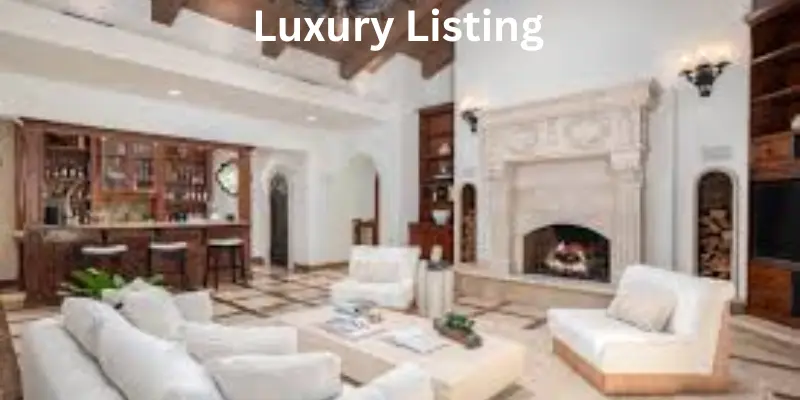
The luxury real estate listing market has grown significantly due to globalization, rising wealth, and increased demand for premium lifestyles. High-net-worth individuals (HNWIs), celebrities, entrepreneurs, and investors often seek luxury properties for residence, vacation, or investment purposes.
Luxury listings are not just about high prices; they represent an experience, a lifestyle, and exclusivity. From penthouses overlooking skylines to beachfront villas and smart mansions with private theaters and pools, luxury listings provide unmatched living standards.
This article explains everything you need to know about luxury listings, including their features, types, benefits, marketing strategies, and why they are considered one of the most attractive segments of the real estate industry.
What is a Luxury Listing?
A luxury listing is a real estate property marketed at the highest end of the market. These properties are priced significantly higher than the average homes in the same area and offer premium features that differentiate them from standard residential properties.
Luxury listings typically include:
- Prime or prestigious locations
- Unique architectural design
- High-quality construction materials
- Exclusive amenities
- Large living spaces
- Privacy and security features
Luxury listings can include various types of properties such as mansions, penthouses, waterfront homes, golf course estates, and luxury villas.
While the price threshold for luxury listings varies by location, they generally represent the top 5–10% of properties in a real estate market.
Key Features of Luxury Listings
Luxury listings stand out because of their distinctive features that provide comfort, elegance, and exclusivity.
Prime Location
Location is the most important factor in luxury real estate. Luxury properties are usually located in:
- Prestigious neighborhoods
- Waterfront areas
- City centers
- Mountain resorts
- Private gated communities
These locations offer convenience, beauty, and high property value.
High-End Architecture and Design
Luxury homes often feature custom architectural designs created by renowned architects. They may include:
- Modern minimalist architecture
- Classical or European designs
- Eco-friendly smart homes
- Contemporary glass structures
Every detail of the property is carefully designed to create a sophisticated living environment.
Premium Amenities
Luxury listings provide amenities that enhance lifestyle and comfort. Some common features include:
- Private swimming pools
- Home theaters
- Wine cellars
- Spa and wellness rooms
- Smart home automation systems
- Private gyms
- Tennis courts
- Large landscaped gardens
Spacious Layouts
Luxury homes are typically much larger than standard homes and include:
- Multiple bedrooms and bathrooms
- Large living rooms
- Guest houses
- Outdoor entertainment areas
- Private offices and libraries
Privacy and Security
High-end buyers value privacy and safety. Luxury listings often include:
- Gated entrances
- Advanced security systems
- Private driveways
- Security staff or surveillance systems
Types of Luxury Listings
Luxury real estate includes several property types designed for different lifestyles and preferences.
Luxury Mansions
Mansions are large and extravagant homes with extensive land, luxurious interiors, and premium amenities. They are often located in exclusive neighborhoods.
Waterfront Properties
Waterfront homes are located near oceans, lakes, or rivers. These properties are highly desirable due to scenic views and exclusive locations.
Luxury Penthouses
Penthouses are high-end apartments located on the top floors of buildings. They offer panoramic views, private terraces, and high-end interior designs.
Luxury Villas
Luxury villas are spacious standalone homes often located in resort areas or private communities. They provide privacy and resort-style living.
Golf Course Estates
These homes are located near golf courses and are popular among luxury buyers who enjoy recreational lifestyles.
How Luxury Listings Are Priced
Pricing luxury listings requires careful analysis and market expertise.
Several factors influence luxury property prices:
Location Value
Properties located in prestigious areas naturally have higher prices due to demand and limited availability.
Property Size
Large homes with expansive land areas command higher prices.
Unique Features
Luxury amenities such as private beaches, rooftop pools, or advanced smart home technology increase property value.
Market Demand
Demand from wealthy buyers, investors, and international buyers can raise luxury property prices.
Comparable Sales
Real estate agents analyze similar luxury properties that have recently sold to determine competitive pricing.
Luxury Listing Marketing Strategies
Marketing luxury listings requires specialized strategies to reach affluent buyers.
Professional Photography
High-quality photography is essential for luxury listings. Professional photos highlight architectural beauty, interiors, and landscapes.
Video Tours and Drone Footage
Luxury homes are often marketed using cinematic video tours and drone footage that showcase property views and surroundings.
Virtual Tours
Virtual tours allow buyers to explore properties online from anywhere in the world.
International Marketing
Luxury properties are often marketed globally to attract international buyers.
Luxury Real Estate Platforms
High-end properties are often listed on exclusive real estate platforms and luxury property websites.
Social Media Marketing
Platforms like Instagram and YouTube are commonly used to showcase luxury homes with visually appealing content.
Benefits of Luxury Listings
Luxury listings provide several advantages for both buyers and investors.
High Investment Potential
Luxury properties often appreciate in value over time, making them strong long-term investments.
Prestige and Status
Owning a luxury home is often associated with success, prestige, and high social status.
Exclusive Lifestyle
Luxury homes provide comfort, privacy, and access to premium amenities.
Rental Opportunities
Some luxury properties can generate significant income through short-term rentals or vacation rentals.
Portfolio Diversification
Investors often include luxury real estate in their portfolios to diversify assets.
Challenges in Luxury Listings
Despite the advantages, luxury listings also come with challenges.
High Price Points
Luxury homes require large investments, which limits the number of potential buyers.
Longer Selling Time
Luxury properties often take longer to sell compared to standard homes.
Specialized Marketing
Selling luxury properties requires advanced marketing strategies and professional real estate expertise.
Maintenance Costs
Luxury homes require significant maintenance and operational costs.
Luxury Listings vs Standard Property Listings
| Feature | Luxury Listings | Standard Listings |
|---|---|---|
| Price | Very high | Moderate or affordable |
| Location | Prime and prestigious | Various locations |
| Design | Custom architecture | Standard designs |
| Amenities | Premium amenities | Basic amenities |
| Buyer Type | High-net-worth individuals | Middle-income buyers |
| Marketing | Global and exclusive | Local marketing |
How to Buy a Luxury Listing
Buying a luxury property involves several important steps.
Define Your Budget
Determine your financial capability and investment goals before searching for luxury properties.
Hire a Luxury Real Estate Agent
Luxury real estate agents specialize in high-end properties and have access to exclusive listings.
Research the Location
Evaluate the neighborhood, infrastructure, and future development plans.
Property Inspection
Conduct detailed inspections to ensure the property meets quality and safety standards.
Negotiation
Luxury property negotiations can involve complex financial arrangements and professional guidance.
Tips for Selling a Luxury Listing
Selling luxury homes requires strategic planning.
Stage the Property Professionally
Luxury home staging enhances the appearance of the property and attracts buyers.
Use Professional Photography
High-quality images create a strong first impression.
Price Strategically
Overpricing can discourage buyers while competitive pricing attracts serious investors.
Target the Right Buyers
Luxury properties should be marketed to wealthy buyers and international investors.
Work With Luxury Real Estate Experts
Experienced real estate professionals understand the luxury market and can help close deals efficiently.
The Future of Luxury Listings
The luxury real estate market continues to evolve with changing buyer preferences.
Some emerging trends include:
Smart Homes
Luxury homes increasingly feature advanced automation systems for lighting, security, and climate control.
Sustainable Luxury
Eco-friendly luxury homes with solar panels, green roofs, and energy-efficient designs are becoming popular.
Wellness-Oriented Homes
Buyers now look for homes with wellness features such as spas, meditation rooms, and fitness centers.
Remote Work Spaces
Luxury homes are incorporating dedicated office spaces for remote work.
Global Investment
International buyers continue to invest heavily in luxury real estate markets around the world.
Luxury vs Premium vs Standard Property Comparison Table
| Feature | Luxury Property | Premium Property | Standard Property |
|---|---|---|---|
| Price Range | Very high (top 5–10% of market) | Above average | Average or affordable |
| Location | Prime locations, waterfront, prestigious neighborhoods | Good urban or suburban areas | Common residential areas |
| Property Size | Very large homes or estates | Medium to large homes | Standard home sizes |
| Design | Custom architecture and high-end design | Modern and stylish designs | Basic architectural design |
| Amenities | Private pools, smart homes, gyms, theaters | Some upgraded amenities | Basic facilities |
| Buyer Type | High-net-worth individuals | Upper-middle-class buyers | General homebuyers |
| Investment Potential | Very high long-term value | Moderate to high | Moderate |
| Privacy & Security | Gated communities and advanced security | Moderate security | Basic neighborhood security |
| Marketing Strategy | Global luxury marketing | Professional marketing | Standard local listings |
Top 15 Luxury Real Estate Markets in the World
The global luxury real estate market includes several cities that attract wealthy investors and buyers due to their strong economies, lifestyle appeal, and prestigious locations.
New York, USA
New York is one of the most expensive real estate markets in the world. Luxury penthouses and Manhattan apartments attract international investors and celebrities.
London, United Kingdom
London offers historic luxury homes, modern penthouses, and prestigious neighborhoods that attract global buyers.
Dubai, UAE
Dubai has become a global luxury real estate hub with waterfront villas, luxury apartments, and tax-friendly investment opportunities.
Hong Kong
Hong Kong is known for extremely high property prices and exclusive luxury apartments with skyline views.
Paris, France
Paris offers elegant luxury apartments, historic architecture, and prime locations that appeal to international investors.
Los Angeles, USA
Los Angeles features luxury mansions in Beverly Hills, Malibu, and Hollywood Hills.
Singapore
Singapore’s luxury real estate market attracts wealthy buyers due to its strong economy and stable investment environment.
Tokyo, Japan
Tokyo offers high-end apartments and modern luxury developments in central districts.
Sydney, Australia
Sydney is famous for luxury waterfront homes and high-end real estate near the harbor.
Miami, USA
Miami is a luxury property hotspot with oceanfront condos, luxury villas, and vacation homes.
Monaco
Monaco is one of the most expensive property markets in the world with ultra-luxury apartments.
Vancouver, Canada
Vancouver attracts international investors due to its scenic beauty and high living standards.
Zurich, Switzerland
Zurich offers luxury properties with strong investment potential and financial stability.
Shanghai, China
Shanghai has a rapidly growing luxury property market with modern skyscraper apartments.
Barcelona, Spain
Barcelona attracts luxury property buyers due to its coastal lifestyle and cultural attractions.
FAQs on Luxury Listings
What is considered a luxury listing in real estate?
A luxury listing refers to a high-end property that is priced significantly above the average homes in a particular market. These properties usually represent the top 5–10% of real estate listings in a region and offer premium locations, exclusive amenities, large living spaces, and high-quality architectural design.
What features make a property a luxury listing?
Luxury listings typically include features such as prime locations, custom architectural designs, spacious layouts, private swimming pools, smart home technology, home theaters, landscaped gardens, and high-level security systems. These features distinguish luxury homes from standard residential properties.
What price range qualifies as a luxury property?
The price of luxury properties varies by location. In some cities, a property priced above $1 million may be considered luxury, while in major global cities the threshold may be $5 million or more. The classification depends on the local real estate market and property demand.
Are luxury listings good investments?
Yes, luxury listings can be strong long-term investments. High-end properties often appreciate in value over time, especially when located in prestigious areas with strong demand. They can also generate rental income through vacation rentals or premium leasing.
How are luxury listings marketed?
Luxury listings are marketed using specialized strategies such as professional photography, drone videos, virtual tours, global real estate platforms, targeted advertising, and luxury real estate agents who specialize in high-end properties.
Why do luxury listings take longer to sell?
Luxury listings may take longer to sell because the buyer pool is smaller. High prices and unique property features require targeting wealthy buyers who are looking for specific lifestyle preferences.
Summary
Luxury listings represent the highest level of real estate properties designed for affluent buyers who seek exclusivity, comfort, and prestige. These properties are distinguished by their prime locations, unique architecture, spacious layouts, and premium amenities.
The luxury real estate market continues to grow as global wealth increases and buyers seek homes that offer superior lifestyles and long-term investment potential. Although luxury listings require specialized marketing and large investments, they remain one of the most attractive segments of the real estate industry.
Understanding luxury listings helps buyers, investors, and real estate professionals navigate this competitive market effectively.

Conclusion
Luxury listings play a vital role in the real estate industry by offering premium properties designed for high-end buyers. These homes combine exceptional design, advanced technology, exclusive locations, and superior comfort to create a unique living experience.
As global demand for high-quality lifestyles continues to rise, the luxury real estate market is expected to expand further. Buyers are increasingly interested in smart homes, sustainable properties, and wellness-focused living environments.
For investors, luxury listings provide opportunities for wealth preservation, long-term appreciation, and rental income. For homeowners, they represent the ultimate symbol of comfort, privacy, and prestige.
Whether purchasing a luxury home for personal use or investment, understanding the features, pricing strategies, and market trends of luxury listings is essential for making informed decisions.





- Be Respectful
- Stay Relevant
- Stay Positive
- True Feedback
- Encourage Discussion
- Avoid Spamming
- No Fake News
- Don't Copy-Paste
- No Personal Attacks
- Be Respectful
- Stay Relevant
- Stay Positive
- True Feedback
- Encourage Discussion
- Avoid Spamming
- No Fake News
- Don't Copy-Paste
- No Personal Attacks
