What Is Market Insights: A Complete Guide for Businesses and Investors
Published: 17 Mar 2026
In today’s competitive business environment, companies must make decisions based on reliable data rather than assumptions. Understanding customers, competitors, and industry trends is essential for growth. This is where market insights play a critical role.
Market insights help businesses understand consumer behavior, market trends, and future opportunities. They provide valuable information that organizations use to develop strategies, improve products, and stay ahead of competitors. All concern should know How to Get Market Insights
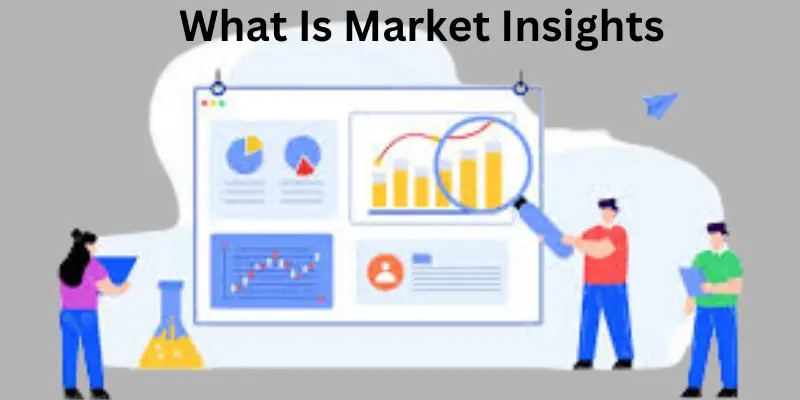
Whether you run a small business, manage a startup, or work in a large corporation, market insights allow you to make smarter decisions based on real-world data.
In this complete guide, you will learn what is market insights, why they are important, their types, how businesses collect them, and how they can transform decision-making.
What Are Market Insights?
Market insights refer to the deep understanding of market trends, customer behavior, and industry patterns derived from data analysis and research.
These insights help businesses understand:
- Customer needs and preferences
- Market demand
- Industry trends
- Competitor strategies
- Opportunities for growth
In simple terms, market insights turn raw data into meaningful information that businesses can use to make better decisions.
For example:
- A company analyzing why customers prefer one product over another
- Understanding seasonal buying behavior
- Identifying emerging trends in consumer spending
All of these are examples of market insights.
Why Market Insights Are Important
Market insights are essential because they allow businesses to make data-driven decisions instead of relying on guesswork.
Better Business Decisions
Companies can make informed decisions about product development, marketing strategies, and pricing.
Understanding Customers
Businesses gain a deeper understanding of their target audience, including their preferences and expectations.
Competitive Advantage
Market insights help organizations stay ahead of competitors by identifying trends early.
Improved Marketing Strategies
Businesses can design campaigns that target the right audience with the right message.
Risk Reduction
Using reliable insights helps reduce the risk of launching products or services that customers may not want.
Key Components of Market Insights
Market insights are built on several important components.
Consumer Behavior Analysis
Understanding how customers interact with products and services.
Market Trends
Studying changes in consumer demand, technology, and industry patterns.
Competitive Intelligence
Analyzing competitors’ strategies, strengths, and weaknesses.
Sales Data Analysis
Examining sales patterns to understand what drives revenue.
Customer Feedback
Using reviews, surveys, and feedback to improve products and services.
Types of Market Insights
Market insights can be categorized into several different types depending on their focus.
Customer Insights
Customer insights focus on understanding consumer needs, behaviors, motivations, and preferences.
Businesses analyze:
- Buying habits
- Lifestyle choices
- Customer expectations
- Brand perception
Product Insights
Product insights focus on how customers interact with a product.
This includes:
- Product performance
- User experience
- Product improvements
Competitive Insights
Competitive insights involve analyzing competitors to understand their strengths and weaknesses.
Companies study:
- Pricing strategies
- Marketing campaigns
- Market positioning
Industry Insights
Industry insights focus on broader trends affecting the entire market.
Examples include:
- Economic changes
- New technologies
- Regulatory developments
Marketing Insights
Marketing insights help businesses understand how well their marketing campaigns are performing.
They analyze:
- Customer engagement
- Conversion rates
- Advertising performance
How Businesses Collect Market Insights
Companies use several methods to collect valuable market insights.
Market Research
Market research is one of the most common ways to gather insights.
Methods include:
- Surveys
- Interviews
- Focus groups
- Questionnaires
These techniques help businesses understand customer opinions and preferences.
Data Analytics
Modern companies rely heavily on data analytics tools to process large amounts of data.
Businesses analyze:
- Website traffic
- Customer purchasing patterns
- Social media interactions
This helps identify trends and behavior patterns.
Social Media Monitoring
Social media platforms provide valuable insights into customer opinions and market trends.
Businesses track:
- Brand mentions
- Customer feedback
- Trending topics
Customer Feedback
Customer reviews and feedback are powerful sources of insights.
Companies use feedback to:
- Improve products
- Enhance customer service
- Identify problems
Competitor Analysis
Studying competitors helps businesses understand what works and what doesn’t in the market.
This includes analyzing:
- Competitor products
- Pricing strategies
- Marketing campaigns
Market Insights vs Market Research
Many people confuse market insights with market research, but they are not the same.
| Feature | Market Research | Market Insights |
|---|---|---|
| Definition | Data collection process | Interpretation of data |
| Purpose | Gather information | Provide actionable understanding |
| Focus | Surveys, studies, reports | Strategic decisions |
| Output | Raw data | Business intelligence |
In simple terms:
Market research collects data, while market insights interpret that data to guide decisions.
Real Examples of Market Insights
Retail Industry
A retail company may discover through sales data that customers buy more winter clothing in early autumn.
Using this insight, the company can launch promotions earlier to increase sales.
Technology Industry
A tech company might discover that users prefer mobile apps over desktop platforms.
This insight helps them focus more on mobile development.
Real Estate Industry
Real estate companies analyze property demand, location preferences, and price trends to guide investment decisions.
E-commerce Businesses
Online stores analyze customer browsing behavior to recommend personalized products.
Benefits of Market Insights for Businesses
Market insights offer several powerful benefits.
Improved Product Development
Companies can design products that match customer needs.
Better Customer Experience
Understanding customer expectations allows businesses to provide better services.
More Effective Marketing
Companies can target the right audience with personalized marketing campaigns.
Stronger Competitive Position
Businesses can identify opportunities before competitors do.
Higher Profitability
Better decision-making leads to increased revenue and reduced costs.
How to Generate Market Insights
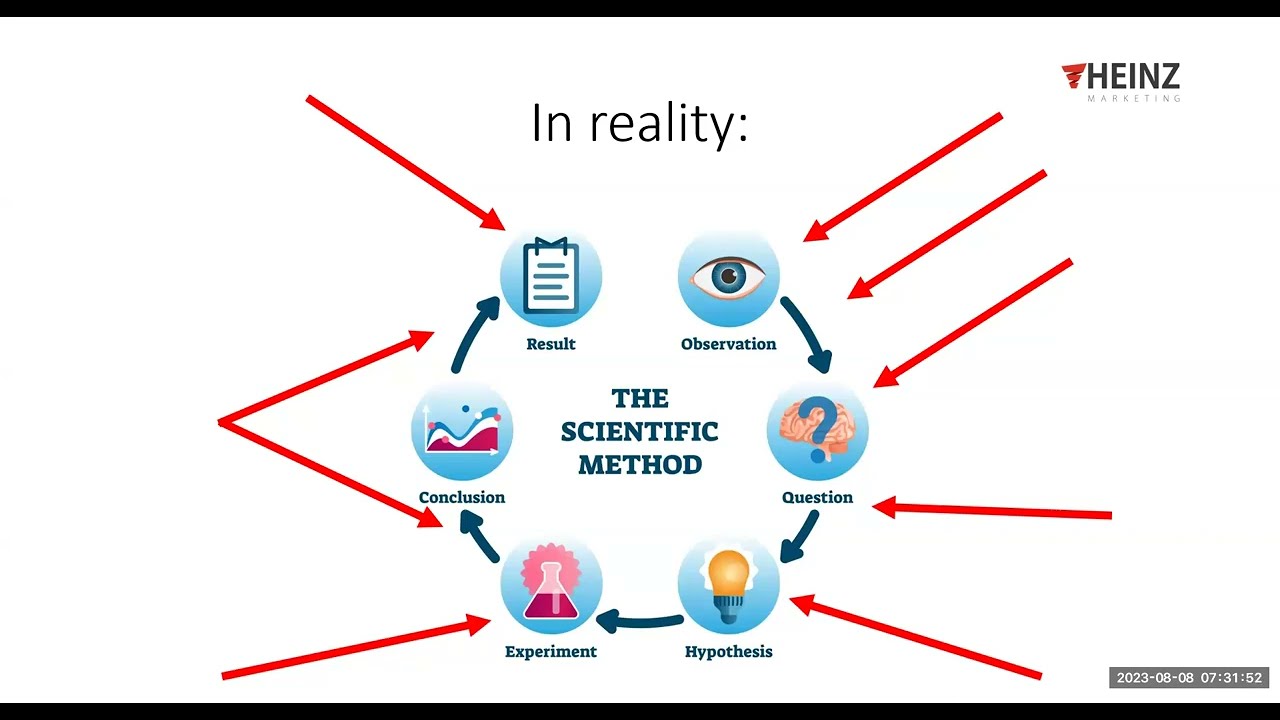
Businesses follow a systematic process to generate insights.
Step 1: Define the Objective
Determine what information you want to learn about the market.
Step 2: Collect Data
Gather data from various sources such as surveys, analytics tools, and market reports.
Step 3: Analyze the Data
Use statistical tools and software to identify patterns and trends.
Step 4: Interpret Results
Convert data into meaningful insights that can guide business decisions.
Step 5: Apply the Insights
Use insights to improve products, marketing strategies, and operations.
Tools Used to Generate Market Insights
Several tools help businesses collect and analyze market data.
Analytics Tools
Tools like website analytics platforms help track user behavior and performance.
CRM Systems
Customer Relationship Management systems store and analyze customer data.
Social Media Analytics
These tools measure engagement, audience behavior, and brand perception.
Business Intelligence Platforms
BI tools help visualize data and identify trends.
Challenges in Obtaining Market Insights
Despite their importance, gathering accurate market insights can be challenging.
Data Overload
Companies often collect too much data without proper analysis.
Changing Market Conditions
Consumer behavior can change quickly due to economic or technological shifts.
Inaccurate Data
Poor data quality can lead to misleading insights.
Lack of Expertise
Some organizations lack skilled analysts to interpret data correctly.
Future of Market Insights
The future of market insights is strongly influenced by technology.
Artificial Intelligence
AI helps analyze large datasets quickly and identify hidden patterns.
Predictive Analytics
Businesses can forecast future trends based on historical data.
Big Data
Companies now collect massive amounts of customer data to generate deeper insights.
Real-Time Insights
Businesses increasingly rely on real-time analytics to respond quickly to market changes.
Best Practices for Using Market Insights
To use market insights effectively, businesses should follow these best practices.
Focus on Customer Needs
Customer behavior should be at the center of all insights.
Use Reliable Data Sources
Always use trustworthy and accurate data.
Combine Multiple Data Sources
Use a mix of qualitative and quantitative data.
Continuously Monitor the Market
Market insights should be updated regularly as trends change.
Common Mistakes to Avoid
Many organizations fail to use market insights effectively due to common mistakes.
Ignoring Customer Feedback
Businesses sometimes ignore valuable feedback from customers.
Overcomplicating Data
Too much complex analysis can make insights difficult to understand.
Not Acting on Insights
Collecting insights without implementing them provides no value.
Relying on Outdated Data
Using old data may lead to poor business decisions.
Top 10 Tools for Market Insights in 2026
Modern businesses rely on advanced tools to collect and analyze market data. These tools help turn raw information into meaningful insights.
Google Analytics
One of the most widely used analytics platforms for tracking website traffic and user behavior. Businesses use it to understand how visitors interact with their websites.
Tableau
A powerful business intelligence tool that helps companies visualize complex data through dashboards and reports.
SEMrush
A popular digital marketing tool that provides insights into SEO performance, competitor strategies, and keyword trends.
HubSpot
HubSpot offers CRM and marketing automation tools that help businesses track customer behavior and engagement.
SurveyMonkey
An online survey platform used to collect customer feedback and opinions quickly.
Brandwatch
Brandwatch helps companies monitor social media conversations and understand public sentiment about their brand.
Statista
Statista provides access to thousands of market reports, industry statistics, and global data insights.
Hootsuite Insights
A social media analytics tool that tracks brand mentions, audience engagement, and trending topics.
Power BI
Developed by Microsoft, Power BI helps businesses analyze data and create detailed visual reports.
Crunchbase
Crunchbase provides insights into companies, industries, and investment trends, making it valuable for market research and competitive analysis.
6 Powerful Expert Tips to Generate Market Insights Faster
Businesses that generate insights quickly gain a strong competitive advantage. Here are expert tips to speed up the process.
Focus on High-Quality Data
Accurate and reliable data is the foundation of meaningful market insights. Always verify your data sources before analysis.
Use Multiple Data Sources
Combine information from surveys, social media, sales reports, and analytics tools to gain a more complete understanding of the market.
Leverage Data Analytics Tools
Modern analytics platforms can process large datasets quickly and identify trends that humans might miss.
Monitor Competitors Regularly
Competitor strategies provide valuable insights into market opportunities and customer preferences.
Listen to Customer Feedback
Customer reviews, surveys, and support interactions provide direct insights into consumer needs.
Use Predictive Analytics
Predictive analytics uses historical data to forecast future trends, allowing businesses to make proactive decisions.
Market Insights vs Market Analysis vs Market Research
| Feature | Market Insights | Market Analysis | Market Research |
|---|---|---|---|
| Definition | Actionable understanding derived from interpreting market and customer data | Systematic evaluation of market conditions, size, trends, and competition | The process of collecting data about customers, competitors, and markets |
| Main Purpose | Support strategic decision-making | Understand the structure and dynamics of a market | Gather information and opinions from the market |
| Focus | Customer behavior, trends, and opportunities | Industry performance, demand, supply, and competitors | Data collection through surveys, interviews, and studies |
| Type of Work | Interpretation and strategy | Evaluation and assessment | Data gathering and investigation |
| Data Type | Processed and interpreted insights | Analytical reports and market metrics | Raw or primary/secondary data |
| Key Methods | Data interpretation, predictive analysis, trend detection | SWOT analysis, market sizing, competitor analysis | Surveys, questionnaires, focus groups, interviews |
| Outcome | Strategic recommendations and business decisions | Market reports and competitive positioning | Research findings and datasets |
| Example | Discovering customers prefer online shopping and adjusting marketing strategy | Studying the growth rate of the e-commerce market | Conducting a survey asking customers where they prefer to shop |
| Role in Business | Helps companies improve products and marketing strategies | Helps businesses understand market potential before entering | Helps gather information needed for analysis |
| Business Stage Used | Strategy and decision-making stage | Planning and evaluation stage | Initial data collection stage |
FAQs About Market Insights
What are market insights in simple terms?
Market insights are a deep understanding of customer behavior, market trends, and business opportunities based on data analysis.
Why are market insights important for businesses?
They help businesses make better decisions, understand customers, improve products, and stay competitive.
What is the difference between market research and market insights?
Market research collects data, while market insights interpret that data to guide business decisions.
How do companies collect market insights?
Businesses gather insights through surveys, analytics tools, customer feedback, social media monitoring, and competitor analysis.
What tools help generate market insights?
Common tools include analytics platforms, CRM systems, social media analytics tools, and business intelligence software.
Can small businesses benefit from market insights?
Yes. Even small businesses can use customer feedback, surveys, and online analytics to understand their market better.
Summary
Market insights are a powerful tool that helps businesses understand their customers, competitors, and market trends. They transform raw data into meaningful information that supports better decision-making.
Companies that use market insights effectively can improve their marketing strategies, develop better products, and gain a competitive advantage in the market.
From analyzing consumer behavior to studying industry trends, market insights play a crucial role in modern business strategy.

Conclusion
Understanding what market insights are is essential for any business that wants to succeed in a competitive environment. Market insights provide a clear understanding of customer needs, market demand, and emerging trends.
By collecting data through market research, analytics tools, and customer feedback, businesses can uncover valuable insights that guide their decisions.
Organizations that invest in market insights are better equipped to innovate, reduce risks, and achieve long-term growth.
In the future, technologies such as artificial intelligence and predictive analytics will make market insights even more powerful, enabling businesses to anticipate trends and respond to market changes faster than ever before.






- Be Respectful
- Stay Relevant
- Stay Positive
- True Feedback
- Encourage Discussion
- Avoid Spamming
- No Fake News
- Don't Copy-Paste
- No Personal Attacks
- Be Respectful
- Stay Relevant
- Stay Positive
- True Feedback
- Encourage Discussion
- Avoid Spamming
- No Fake News
- Don't Copy-Paste
- No Personal Attacks
