What Is Real Estate: A Complete Guide to Property, Types, and Investment
Published: 25 Mar 2026
Introduction to Real Estate
When we ask what is real estate, we are essentially exploring a massive industry that includes residential homes, commercial buildings, industrial facilities, and land.
Real estate is considered a tangible asset, meaning it has physical existence and value. Unlike stocks or digital assets, real estate can be seen, touched, and utilized. Here we will also discuss regarding Real Estate Meaning
Key features of real estate:
- Immovable property
- Limited supply
- High value
- Long-term investment potential
The importance of understanding what is real estate lies in its ability to generate income, provide shelter, and create long-term financial security.
History of Real Estate
The history of what is real estate dates back thousands of years. In ancient civilizations like Mesopotamia and Egypt, land ownership was a symbol of power and wealth. Kings and rulers controlled large areas, and land was distributed among nobles and farmers.
During the Roman Empire, formal property laws were introduced, laying the foundation for modern real estate systems. The concept of ownership, leasing, and land registration began to evolve.
In the Middle Ages, land ownership was tied to feudal systems where tenants worked on land owned by lords. Over time, private ownership became more common.
In the modern era, especially after the Industrial Revolution, urbanization increased demand for housing and commercial spaces. Today, understanding what is real estate includes global markets, digital transactions, and investment opportunities. If you’re wondering whether property is the right asset for long-term wealth creation, don’t miss our comprehensive guide, “Is Real Estate a Good Investment in India” It covers the key benefits and risks of investing in Indian real estate, current market trends, rental income potential, capital appreciation, and expert insights to help you make informed investment decisions.
What is Real Estate
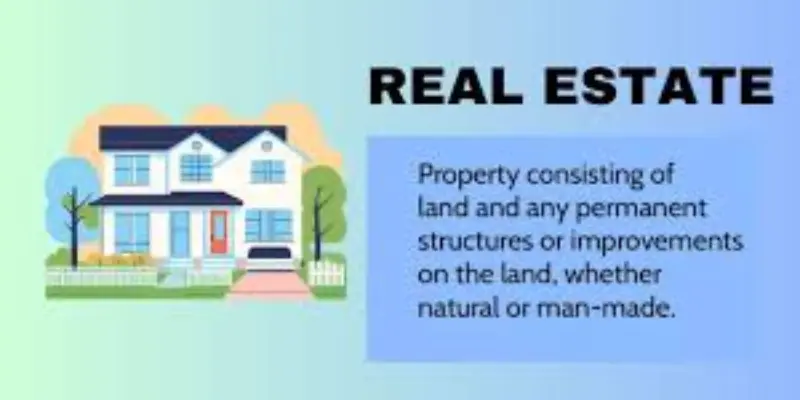
Real estate refers to land and any permanent structures attached to it, such as buildings, homes, offices, or natural resources like minerals and water. In simple terms, real estate is physical property that includes land and everything permanently fixed to it.
The concept of what is real estate goes beyond just buying and selling houses. It includes ownership rights, usage, leasing, development, and investment opportunities. Real estate plays a crucial role in the global economy and is one of the most popular wealth-building assets.
Understanding what is real estate is essential whether you are a buyer, investor, developer, or simply someone interested in property markets.
Types of Real Estate
To fully understand what is real estate, it is important to explore its main categories.
Residential Real Estate
Residential real estate includes properties used for living purposes.
Examples:
- Houses
- Apartments
- Villas
- Condominiums
This is the most common type when people think about what is real estate, as it directly relates to housing.
Commercial Real Estate
Commercial real estate includes properties used for business activities.
Examples:
- Office buildings
- Shopping malls
- Retail stores
- Hotels
Understanding this category is important when learning what is real estate, especially for investors seeking rental income.
Industrial Real Estate
Industrial real estate is used for production, manufacturing, and storage.
Examples:
- Warehouses
- Factories
- Distribution centers
This segment plays a key role in economic development and is a vital part of what is real estate.
Land
Land is the most basic form of real estate.
Types of land:
- Agricultural land
- Undeveloped land
- Commercial plots
Land ownership is often the foundation of understanding what is real estate, as all properties originate from land.
How Real Estate Works
To better understand what is real estate, you must know how the system functions.
Key Components
- Ownership Rights – Legal rights to use, sell, or lease property
- Transactions – Buying, selling, renting, or leasing
- Valuation – Determining property value based on location and demand
- Financing – Loans or mortgages used to purchase property
Real estate operates through a network of buyers, sellers, agents, investors, and financial institutions.
Importance of Real Estate
Understanding what is real estate also means recognizing its importance.
Economic Impact
- Contributes to GDP
- Creates employment
- Drives infrastructure development
Personal Benefits
- Provides housing
- Builds wealth
- Generates passive income
Real estate is often considered a stable investment compared to volatile markets.
Real Estate as an Investment
One of the main reasons people explore what is real estate is for investment purposes.
Types of Real Estate Investments
- Rental properties
- House flipping
- Real Estate Investment Trusts (REITs)
- Commercial leasing
Benefits
- Regular income
- Property appreciation
- Tax advantages
- Portfolio diversification
Risks
- Market fluctuations
- High initial cost
- Maintenance expenses
- Liquidity issues
Understanding both risks and rewards is essential when learning what is real estate as an investment.
Real Estate Market Factors
The value and demand in real estate depend on several factors.
Key Influences
- Location
- Economic conditions
- Interest rates
- Government policies
- Population growth
When studying what is real estate, these factors help explain price changes and market trends.
Real Estate vs Other Investments
| Feature | Real Estate | Stocks | Gold |
|---|---|---|---|
| Tangibility | Physical asset | Digital | Physical |
| Risk Level | Moderate | High | Low |
| Liquidity | Low | High | Medium |
| Income Generation | Yes | Yes (dividends) | No |
| Appreciation | High (long-term) | Variable | Stable |
This comparison helps clarify what is real estate and how it differs from other investment options.
Advantages and Disadvantages of Real Estate
Advantages
- Long-term value growth
- Passive income opportunities
- Hedge against inflation
- Tax benefits
Disadvantages
- High capital requirement
- Maintenance costs
- Market dependency
- Legal complexities
Knowing these pros and cons is important when understanding what is real estate.
Legal Aspects of Real Estate
Real estate involves legal ownership and regulations.
Key Legal Elements
- Property titles
- Registration
- Zoning laws
- Lease agreements
Legal compliance is crucial when dealing with what is real estate to avoid disputes.

Technology in Real Estate (2026 Trends)
Modern technology is transforming how real estate works.
Key Trends
- Virtual property tours
- AI-based property valuation
- Blockchain transactions
- Smart homes
Technology is reshaping the future of what is real estate, making it more efficient and accessible.
Common Mistakes in Real Estate
When learning what is real estate, beginners often make these mistakes:
- Ignoring location importance
- Overpaying for property
- Not researching the market
- Underestimating costs
Avoiding these mistakes can improve success in real estate.
How Real Estate Agents Work
To fully understand what is real estate, it is important to know the role of real estate agents.
Real estate agents act as intermediaries between buyers and sellers. They help clients buy, sell, or rent properties efficiently.
Key Responsibilities
- Listing properties for sale
- Marketing properties
- Negotiating deals
- Assisting with legal paperwork
- Advising on pricing and market trends
Agents typically earn a commission based on the property’s sale price. Their expertise simplifies the process and reduces risks for clients exploring what is real estate transactions.
Real Estate Business Models
Understanding different business models is crucial when learning what is real estate as a profession or investment.
Common Business Models
- Brokerage Model
Agents earn commissions by facilitating transactions. - Property Development
Developers buy land, construct buildings, and sell or lease them. - Rental Income Model
Investors purchase properties and earn income through rent. - House Flipping
Buying undervalued properties, renovating them, and selling for profit. - REITs (Real Estate Investment Trusts)
Companies that allow investors to invest in real estate without owning property directly.
Each model offers unique opportunities depending on your goals in what is real estate.
Real Estate Marketing Strategies
Marketing plays a key role in the success of real estate businesses.
Effective Strategies
- Online Listings – Posting on property websites
- Social Media Marketing – Using platforms like Facebook and Instagram
- Virtual Tours – Allowing buyers to explore properties online
- Email Marketing – Targeting potential buyers
- SEO Optimization – Ranking property listings on search engines
In today’s digital world, marketing is essential to maximize returns in what is real estate.
Global Real Estate Market Trends (2026)
The global landscape of what is real estate continues to evolve rapidly.
Key Trends
- Rise of Smart Homes – Technology-enabled living spaces
- Sustainable Buildings – Eco-friendly construction practices
- Remote Work Impact – Increased demand for suburban properties
- Digital Transactions – Online buying and selling processes
- Urban Expansion – Growth in emerging cities
These trends are shaping how investors approach what is real estate in 2026.
Real Estate Financing Options Explained
Financing is a critical part of understanding what is real estate.
Common Financing Options
- Mortgage Loans – Borrowing from banks to purchase property
- Home Equity Loans – Using existing property value
- Private Lending – Loans from individuals or investors
- Government Schemes – Subsidized housing loans
- Installment Plans – Developer-provided payment plans
Choosing the right financing option is essential for success in what is real estate investments.
Taxation in Real Estate
Taxes are an important consideration in what is real estate.
Common Real Estate Taxes
- Property tax
- Capital gains tax
- Rental income tax
- Stamp duty
Tax laws vary by country, but understanding them helps investors maximize profits and stay compliant.
Real Estate vs Cryptocurrency Investment
Understanding what is real estate becomes clearer when compared with modern assets like cryptocurrency.
| Feature | Real Estate | Cryptocurrency |
|---|---|---|
| Nature | Physical asset | Digital asset |
| Volatility | Low to moderate | Very high |
| Regulation | Strong | Limited (varies) |
| Income Potential | Rental income | Trading gains |
| Risk Level | Moderate | High |
Real estate offers stability, while cryptocurrency offers high-risk, high-reward opportunities.
Step-by-Step Guide to Buying Property
If you are exploring what is real estate, buying property is a key step.
Step-by-Step Process
- Set Budget
Determine how much you can afford. - Research Market
Analyze location and property prices. - Choose Property Type
Residential, commercial, or land. - Hire an Agent
Get professional assistance. - Inspect Property
Check condition and legal status. - Secure Financing
Apply for a loan if needed. - Negotiate Price
Finalize deal terms. - Complete Legal Process
Sign documents and transfer ownership.
Following these steps ensures a smooth experience in what is real estate transactions.
Real Estate Terminologies for Beginners
To understand what is real estate, you must know key terms.
Important Terms
- Appraisal – Property value assessment
- Equity – Ownership value in property
- Mortgage – Loan used to buy property
- Lease – Agreement to rent property
- Title – Legal ownership document
- Down Payment – Initial payment when buying property
- Foreclosure – Legal process when borrower fails to pay loan
Learning these terms helps beginners confidently navigate what is real estate.
FAQs on What Is Real Estate
1. What is real estate in simple words?
Real estate is land and any permanent structures built on it, such as homes or buildings.
2. What are the main types of real estate?
Residential, commercial, industrial, and land.
3. Why is real estate important?
It provides housing, creates wealth, and supports economic growth.
4. Is real estate a good investment?
Yes, it offers long-term appreciation and passive income, but involves risks.
5. How do beginners start in real estate?
By researching the market, setting a budget, and starting with small investments.
6. What affects real estate prices?
Location, demand, economy, and interest rates.
Summary
Understanding what is real estate involves learning about land, property types, ownership rights, and investment opportunities. Real estate is a valuable asset that plays a major role in personal finance and the global economy.

Conclusion
So, what is real estate? It is more than just property—it is a powerful financial tool, a basic human necessity, and a cornerstone of economic growth. Whether you want to buy a home, invest for income, or build long-term wealth, real estate offers endless opportunities.
By understanding its types, benefits, risks, and market dynamics, you can make informed decisions and succeed in the real estate industry.




- Be Respectful
- Stay Relevant
- Stay Positive
- True Feedback
- Encourage Discussion
- Avoid Spamming
- No Fake News
- Don't Copy-Paste
- No Personal Attacks
- Be Respectful
- Stay Relevant
- Stay Positive
- True Feedback
- Encourage Discussion
- Avoid Spamming
- No Fake News
- Don't Copy-Paste
- No Personal Attacks
