Rental Leasing Agreement: Complete Guide for Tenants & Landlords
Published: 20 Mar 2026
A rental leasing agreement is one of the most important legal documents in the real estate world. Whether you are a tenant looking for a safe place to live or a landlord aiming to protect your property, a well-structured rental lease agreement ensures clarity, security, and mutual understanding.
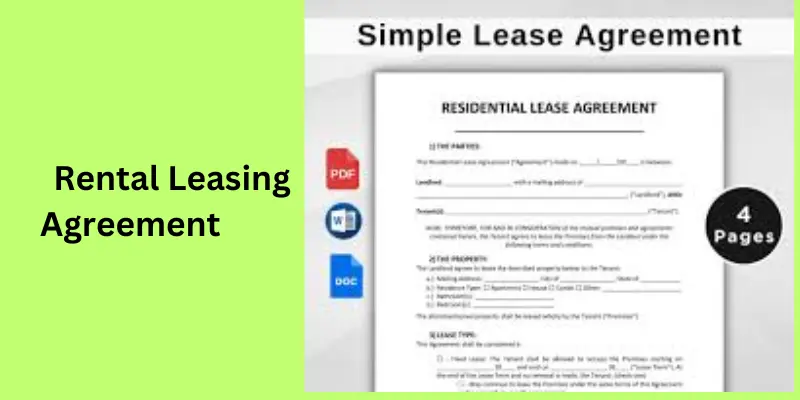
In today’s evolving property market, rental agreements have become more sophisticated, covering legal obligations, financial terms, and dispute resolution mechanisms. This comprehensive guide explains everything you need to know about rental leasing agreements, and Rental Leasing including their types, components, legal frameworks, advantages, and best practices.
What is a Rental Leasing Agreement?
A rental leasing agreement is a legally binding contract between a property owner (landlord) and a tenant. It outlines the terms and conditions under which a tenant can occupy and use a property for a specific period in exchange for rent.
This agreement protects both parties by clearly defining rights, responsibilities, and expectations. It also serves as legal evidence in case of disputes.
Key Elements of a Rental Leasing Agreement
A proper rental leasing agreement must include the following components:
1. Parties Involved
- Full name and contact details of landlord and tenant
- Identification details (ID, passport, etc.)
2. Property Details
- Complete address of the property
- Type (apartment, house, commercial space)
- Included amenities (parking, furniture, appliances)
3. Lease Term
- Start and end date of the lease
- Renewal conditions
- Notice period for termination
4. Rent Details
- Monthly rent amount
- Due date and payment method
- Late payment penalties
5. Security Deposit
- Amount collected
- Conditions for refund
- Deductions (damages, unpaid rent)
6. Maintenance Responsibilities
- Who handles repairs
- Minor vs major maintenance
- Emergency repair procedures
7. Usage Terms
- Residential or commercial use
- Restrictions (pets, subletting, smoking)
8. Termination Clause
- Early termination conditions
- Penalties (if any)
- Notice period
9. Legal Clauses
- Dispute resolution
- Governing law
- Eviction terms
Types of Rental Leasing Agreements
Fixed-Term Lease
A lease valid for a specific duration (e.g., 6 months or 1 year). Terms remain unchanged during the lease period.
Month-to-Month Lease
Flexible agreement that renews monthly. Either party can terminate with short notice.
Sublease Agreement
When a tenant rents out the property to another person with landlord approval.
Commercial Lease Agreement
Used for business properties such as offices, shops, or warehouses.
Rent-to-Own Agreement
Allows tenants to purchase the property after a certain period.
How Rental Leasing Agreements Work
- Negotiation Phase
Both parties agree on rent, duration, and terms. - Drafting the Agreement
A written document is prepared covering all clauses. - Signing the Agreement
Both parties sign the contract, making it legally enforceable. - Security Deposit Payment
Tenant pays deposit and first month’s rent. - Occupancy Begins
Tenant moves into the property. - Lease Management
Rent payments, maintenance, and communication continue. - Termination or Renewal
Agreement ends, renews, or transitions to another lease type.
Legal Importance of Rental Leasing Agreements
Rental agreements are legally enforceable documents. They help:
- Prevent misunderstandings
- Provide evidence in court
- Protect property rights
- Define eviction rules
In many countries, written agreements are mandatory to resolve disputes effectively.
Advantages and Disadvantages of Rental Leasing Agreements
| Advantages | Disadvantages |
|---|---|
| Legal protection for both parties | Complex legal language |
| Clear terms and conditions | May require legal assistance |
| Reduces disputes | Fixed terms may limit flexibility |
| Defines financial obligations | Early termination penalties |
| Protects property and tenant rights | Renewal negotiations required |
Rental Leasing Agreement vs Rental Agreement vs Lease
| Feature | Rental Leasing Agreement | Rental Agreement | Lease |
|---|---|---|---|
| Duration | Fixed or flexible | Short-term | Long-term |
| Flexibility | Medium | High | Low |
| Legal Strength | Strong | Moderate | Very strong |
| Renewal | Based on terms | Automatic monthly | Requires renewal |
| Usage | Residential & commercial | Mostly residential | Mostly long-term use |
Important Clauses You Should Never Ignore
Rent Escalation Clause
Defines how rent will increase over time.
Exit Clause
Specifies conditions for ending the lease early.
Damage Clause
Determines responsibility for property damage.
Force Majeure Clause
Covers unforeseen events (natural disasters, emergencies).
Renewal Clause
Details how the lease can be extended.
Common Mistakes to Avoid
- Not reading the agreement carefully
- Ignoring hidden charges
- Not documenting property condition
- Failing to clarify maintenance responsibilities
- Signing without legal review
Tips for Tenants
- Always read before signing
- Negotiate rent and terms
- Take photos of property condition
- Keep copies of all documents
- Pay rent on time
Tips for Landlords
- Screen tenants properly
- Use a legally valid agreement
- Clearly define rules
- Maintain property regularly
- Keep records of payments
Digital Rental Agreements (Modern Trend)
With technology, rental agreements are now:
- Signed electronically
- Stored digitally
- Verified online
Benefits include convenience, faster processing, and reduced paperwork.
Global Legal Framework (Overview)
USA
State-specific laws govern rental agreements, focusing on tenant rights and eviction rules.
UK
Assured Shorthold Tenancy (AST) is the most common rental agreement type.
UAE
Ejari system registers rental agreements officially.
India & Other Countries
Registration and stamp duty may be required for legal validity.
Advanced Guide to Rental Agreements, Laws, and Best Practices
How to Draft a Rental Agreement Step-by-Step
Drafting a rental agreement requires clarity, legal awareness, and attention to detail. Follow these steps:
Step 1: Add Basic Information
Include full names of landlord and tenant, along with identification and contact details.
Step 2: Describe the Property
Mention the complete address, type of property, and included amenities (furniture, parking, etc.).
Step 3: Define Lease Terms
- Start and end date
- Lease duration (fixed or monthly)
- Renewal conditions
Step 4: Set Rent Details
- Monthly rent amount
- Payment method (bank, cash, online)
- Due date and penalties
Step 5: Include Security Deposit Clause
- Deposit amount
- Conditions for deductions
- Refund timeline
Step 6: Maintenance and Repairs
Clearly define responsibilities of landlord and tenant.
Step 7: Add Legal Clauses
- Termination rules
- Dispute resolution
- Governing law
Step 8: Review and Sign
Both parties must review carefully before signing. Witnesses or notarization may be required in some countries.
Tenant Rights and Responsibilities (Country-wise)
USA
Rights:
- Safe and habitable housing
- Privacy (notice before entry)
Responsibilities:
- Timely rent payment
- Maintain cleanliness
UK
Rights:
- Deposit protection schemes
- Protection against unfair eviction
Responsibilities:
- Follow tenancy agreement
- Report damages
UAE
Rights:
- Registered tenancy (Ejari)
- Rent cap regulations
Responsibilities:
- Pay rent on time
- Respect property rules
India
Rights:
- Fair rent practices
- Protection from illegal eviction
Responsibilities:
- Maintain property condition
- Pay utilities
Landlord Legal Obligations and Compliance
Landlords must comply with legal standards to avoid penalties:
- Provide safe and livable property
- Follow eviction laws
- Return deposits fairly
- Maintain property structure
- Respect tenant privacy
Failure to comply may result in fines or legal action.
Security Deposit Laws and Refund Rules
Key Rules
- Deposits usually equal 1–3 months’ rent
- Must be returned within a specified period (varies by country)
- Deductions allowed for damages or unpaid rent
Best Practices
- Document property condition before move-in
- Provide written receipts
- Maintain transparency
Eviction Process: Legal Steps and Timeline
Step 1: Notice to Tenant
Landlord issues a legal notice (e.g., 30 days).
Step 2: Filing Case
If tenant does not comply, landlord files a legal complaint.
Step 3: Court Proceedings
Court reviews evidence and hears both parties.
Step 4: Eviction Order
Court issues eviction order if justified.
Step 5: Enforcement
Authorities enforce eviction if tenant refuses to leave.
Timeline
- USA: 2–8 weeks
- UK: 2–6 months
- UAE: 1–3 months
- India: Several months to years
How to Negotiate Rent Effectively
For Tenants
- Research market rates
- Offer longer lease for lower rent
- Highlight good rental history
For Landlords
- Evaluate tenant reliability
- Offer discounts for upfront payment
- Adjust rent based on demand
Pro Tips
- Negotiate respectfully
- Be flexible but realistic
- Put agreed terms in writing
Digital Lease Agreements and E-Signatures
Digital agreements are becoming standard due to convenience.
Features
- Online document creation
- E-signature verification
- Cloud storage
Benefits
- Faster processing
- Paperless system
- Easy access anytime
Legal Validity
Most countries now recognize e-signatures as legally binding.
Property Management Best Practices
For Landlords
- Screen tenants thoroughly
- Maintain property regularly
- Keep financial records
For Property Managers
- Use management software
- Handle tenant communication
- Ensure legal compliance
For Tenants
- Follow lease rules
- Report issues promptly
- Maintain cleanliness
Rental Laws in USA, UK, UAE, and India (Detailed Guide)
| Country | Key Law Features |
|---|---|
| USA | State-based laws, strong tenant protection |
| UK | Assured Shorthold Tenancy (AST), deposit protection |
| UAE | Ejari registration, rent caps |
| India | Rent Control Acts, state-specific laws |
Key Differences
- USA & UK focus on tenant rights
- UAE emphasizes registration
- India has evolving rental laws
FAQs on Rental Leasing Agreement
1. Is a rental leasing agreement legally binding?
Yes, once signed by both parties, it becomes legally enforceable.
2. Can a lease be terminated early?
Yes, but conditions depend on the agreement terms.
3. What happens if rent is not paid?
The landlord may charge penalties or initiate eviction proceedings.
4. Is a security deposit refundable?
Yes, after deductions for damages or unpaid dues.
5. Can rent be increased during the lease?
Only if mentioned in the agreement.
6. Do I need a lawyer to draft a lease?
Not mandatory, but recommended for complex agreements.
Summary
A rental leasing agreement is a critical document that ensures transparency and legal protection for both tenants and landlords. It outlines rent, responsibilities, lease duration, and dispute resolution mechanisms. Understanding its components and legal implications can help avoid conflicts and create a smooth rental experience.
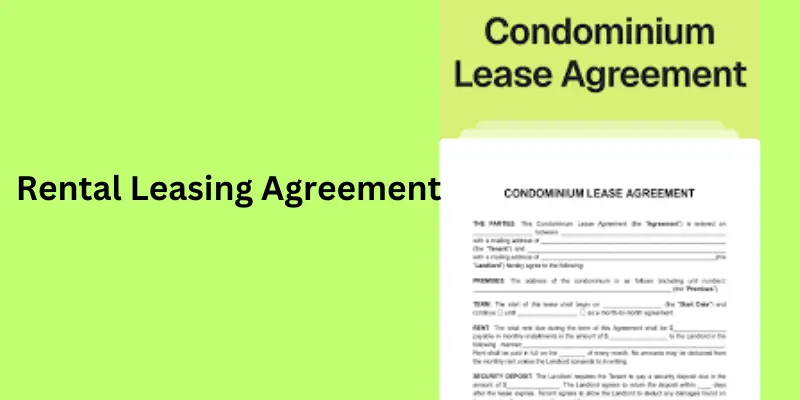
Conclusion
In the modern real estate landscape, a well-drafted rental leasing agreement is not just a formality—it is a necessity. It protects financial interests, ensures compliance with laws, and builds trust between landlords and tenants. Whether you are renting your first apartment or managing multiple properties, investing time in understanding and creating a strong lease agreement can save you from costly disputes in the future.






- Be Respectful
- Stay Relevant
- Stay Positive
- True Feedback
- Encourage Discussion
- Avoid Spamming
- No Fake News
- Don't Copy-Paste
- No Personal Attacks
- Be Respectful
- Stay Relevant
- Stay Positive
- True Feedback
- Encourage Discussion
- Avoid Spamming
- No Fake News
- Don't Copy-Paste
- No Personal Attacks
