Real Property Management: Complete Guide for Owners and Investors
Published: 15 Mar 2026
Real estate ownership can be a profitable investment, but managing property effectively requires knowledge, time, and professional skills. This is where real property management becomes essential. Property owners often hire professional managers or companies to handle the daily operations, maintenance, tenant relations, and financial management of their real estate assets.
Real property management involves supervising residential, commercial, and industrial properties to ensure they operate efficiently and generate maximum returns. From collecting rent and maintaining buildings to dealing with tenants and ensuring legal compliance, property management plays a crucial role in protecting and growing property investments.
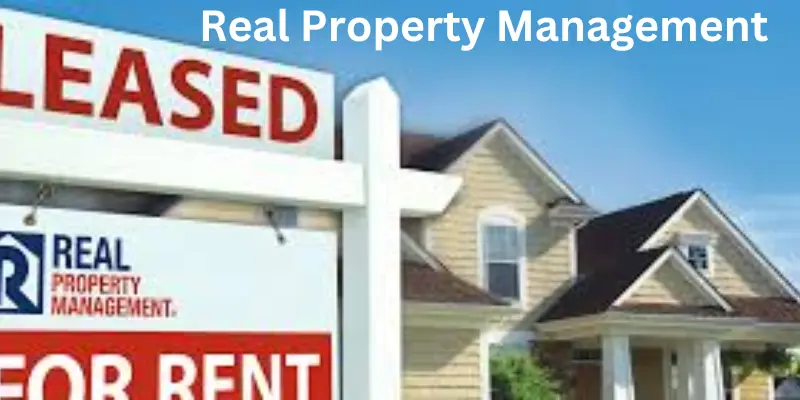
In today’s complex real estate market, property owners face many challenges including tenant management, property maintenance, legal regulations, and financial reporting. A well-organized property management system helps address these challenges and improves overall property value.
This article provides a complete guide to real property management, including its definition, history, responsibilities, benefits, disadvantages, types, and modern strategies used by professional property managers.
What Is Real Property Management?
Real property management refers to the administration, operation, and oversight of real estate properties on behalf of property owners. It includes managing residential homes, apartment complexes, commercial buildings, and industrial properties.
Property management ensures that properties remain well-maintained, profitable, and legally compliant.
Key Elements of Real Property Management
- Tenant Management
Screening tenants, signing leases, handling complaints, and managing tenant relations. - Rent Collection
Ensuring rent is collected on time and handling payment systems. - Property Maintenance
Managing repairs, maintenance, and inspections. - Financial Management
Budgeting, accounting, and financial reporting. - Legal Compliance
Ensuring property operations follow local housing laws and regulations. - Property Marketing
Advertising vacant properties and attracting potential tenants.
History of Real Property Management
Real property management has evolved significantly over time. In earlier centuries, property owners managed their properties personally. However, as urbanization and property investments increased, professional management services became necessary.
Early Property Management
Historically, landlords managed their own buildings. Responsibilities included collecting rent, maintaining properties, and dealing with tenants directly.
Industrial Revolution Era
During the Industrial Revolution, cities expanded rapidly. The rise of apartment buildings and commercial properties created demand for professional property managers.
Modern Property Management
Today, property management is a professional industry. Companies use digital platforms, property management software, and data analytics to manage properties efficiently.
Professional property managers now handle large portfolios of residential, commercial, and mixed-use properties for investors worldwide.
Types of Real Property Management
Real property management can be divided into several categories depending on the type of property.
1. Residential Property Management
This involves managing housing properties such as:
- Apartments
- Houses
- Condominiums
- Vacation rentals
Residential property managers focus on tenant satisfaction, maintenance, and lease agreements.
2. Commercial Property Management
Commercial property management involves buildings used for business purposes such as:
- Office buildings
- Shopping centers
- Retail stores
- Business complexes
Managers focus on long-term leases, business tenants, and operational efficiency.
3. Industrial Property Management
Industrial properties include:
- Warehouses
- Factories
- Distribution centers
Management focuses on logistics, safety, and large-scale property maintenance.
4. Mixed-Use Property Management
Mixed-use properties combine residential and commercial spaces within the same development.
Managers must balance the needs of both residents and businesses.
Responsibilities of a Real Property Manager
Property managers perform many tasks to keep real estate assets functioning smoothly.
Tenant Screening
One of the most important responsibilities is selecting reliable tenants. Managers conduct background checks, verify employment, and review credit history.
Lease Management
Property managers prepare lease agreements, explain terms, and ensure tenants comply with rules.
Rent Collection
Timely rent collection ensures consistent cash flow for property owners.
Property Maintenance
Managers coordinate repairs, inspections, landscaping, and routine maintenance.
Financial Reporting
Property managers provide financial reports including:
- Income statements
- Expense reports
- Budget analysis
Legal Compliance
Managers ensure compliance with housing regulations, tenant rights laws, and safety standards.
Benefits of Real Property Management
Hiring professional property management offers many advantages.
1. Time Savings
Property owners do not need to handle daily operations.
2. Professional Expertise
Managers understand property laws, tenant relations, and financial management.
3. Better Tenant Retention
Professional managers maintain good relationships with tenants, reducing vacancy rates.
4. Efficient Maintenance
Regular maintenance prevents expensive repairs in the future.
5. Increased Property Value
Proper management improves property condition and market value.
Disadvantages of Real Property Management
While property management has many benefits, it also has some drawbacks.
| Disadvantage | Explanation |
|---|---|
| Management Fees | Companies charge fees for their services |
| Less Owner Control | Owners may have limited involvement in daily decisions |
| Quality Differences | Not all property managers provide the same level of service |
| Communication Issues | Poor communication can lead to misunderstandings |
Despite these disadvantages, professional management often improves overall investment performance.
Real Property Management Process
Effective property management follows a structured process.
Property Evaluation
Managers assess the property’s condition, market value, and rental potential.
Marketing and Advertising
Vacant units are advertised through online platforms, listings, and real estate networks.
Tenant Placement
Managers screen applicants and select qualified tenants.
Lease Agreement
A legally binding lease is signed outlining rental terms and responsibilities.
Ongoing Management
Daily operations include maintenance, rent collection, and tenant support.
Financial Reporting
Managers provide regular reports to property owners.
Technology in Real Property Management
Modern technology has transformed property management.
Property Management Software
Software platforms allow managers to track rent payments, maintenance requests, and tenant records.
Online Rent Payments
Tenants can pay rent through digital systems, improving convenience and accuracy.
Smart Building Technology
Smart security systems, automated lighting, and energy monitoring improve property efficiency.
Data Analytics
Managers use analytics to evaluate market trends, pricing strategies, and occupancy rates.

Cost of Real Property Management
Property management companies typically charge fees based on property size and services provided.
Typical Fee Structures
- Monthly Management Fee
Usually 8%–12% of collected rent. - Tenant Placement Fee
Charged for finding new tenants. - Maintenance Fees
Costs for repairs and maintenance. - Lease Renewal Fees
Charged when renewing tenant leases.
Property owners should compare companies carefully before selecting a management service.
Strategies for Successful Real Property Management
Successful property management requires strategic planning.
Maintain Strong Communication
Clear communication with tenants prevents conflicts and misunderstandings.
Perform Regular Inspections
Routine inspections help identify maintenance issues early.
Set Competitive Rental Prices
Market research ensures rental prices attract tenants while maximizing income.
Use Technology
Digital tools improve efficiency and transparency.
Provide Quality Maintenance
Well-maintained properties attract better tenants and increase property value.
Real Property Management vs Self-Management
Many property owners choose between professional management and managing properties themselves.
| Factor | Professional Management | Self Management |
|---|---|---|
| Time Commitment | Low | High |
| Cost | Management fees | Lower cost |
| Expertise | Professional knowledge | Limited expertise |
| Tenant Handling | Managed by professionals | Owner handles tenants |
| Property Maintenance | Organized systems | Owner responsibility |
Professional management is ideal for owners with multiple properties or limited time.
Future of Real Property Management
The property management industry continues to evolve with technological innovations and changing tenant expectations.
Future trends include:
- Artificial intelligence in property operations
- Smart home technology integration
- Sustainable building management
- Automated rent systems
- Data-driven investment decisions
These innovations will improve efficiency and enhance tenant experiences.
Comparison of Real Property Management with Other Property Management Types
| Feature | Real Property Management | Property Management | Asset Management | Facility Management |
|---|---|---|---|---|
| Definition | Management of land and physical real estate assets including buildings | General management of rental or owned properties | Strategic management of investment assets including real estate | Management of building operations and infrastructure |
| Main Focus | Property operations, tenants, rent, and maintenance | Daily management of rental properties | Financial growth and investment performance | Building systems, safety, and facility services |
| Managed Assets | Land, houses, apartments, offices, commercial buildings | Mostly residential and rental properties | Various investments such as real estate, stocks, and funds | Buildings, offices, factories, institutions |
| Responsibilities | Tenant management, lease agreements, maintenance, rent collection | Rent collection, tenant screening, maintenance | Portfolio management, investment strategy, asset growth | Cleaning, security, maintenance, utilities |
| Financial Role | Moderate financial management of property income and expenses | Basic financial operations like rent and expenses | High-level financial planning and investment decisions | Limited financial role focused on operational costs |
| Target Users | Real estate investors, property owners, landlords | Landlords and rental property owners | Investment firms and large real estate portfolios | Organizations, corporations, and institutions |
| Objective | Maintain property value and rental income | Manage rental properties efficiently | Maximize return on investment | Ensure smooth facility operations |
FAQs on Real Property Management
1. What is real property management?
Real property management is the process of overseeing, operating, and maintaining real estate properties on behalf of property owners. It includes tasks such as tenant management, rent collection, property maintenance, financial reporting, and legal compliance.
2. What types of properties are included in real property management?
Real property management can include several types of properties, such as:
- Residential properties (houses, apartments, condos)
- Commercial properties (offices, retail stores, malls)
- Industrial properties (warehouses, factories)
- Mixed-use developments
3. How much do property management companies charge?
Most property management companies charge 8% to 12% of the monthly rental income. Additional fees may include tenant placement fees, lease renewal fees, and maintenance charges.
4. What are the main responsibilities of a property manager?
A property manager typically handles:
- Tenant screening and leasing
- Rent collection
- Property maintenance and repairs
- Financial reporting
- Legal compliance with housing regulations
- Marketing vacant properties
5. Is real property management necessary for small property owners?
Not always. Small property owners can manage their properties themselves. However, hiring a professional property manager can save time, reduce stress, and ensure proper handling of tenants and maintenance.
6. What is the difference between real property management and facility management?
Real property management focuses on tenants, rental income, and property value, while facility management focuses on building operations such as cleaning, security, and technical maintenance systems.
Summary
Real property management plays a crucial role in maintaining and maximizing the value of real estate investments. It involves supervising property operations, managing tenants, maintaining buildings, and ensuring financial performance.
Professional property managers help property owners save time, improve tenant satisfaction, and increase property profitability. While management services involve costs, the benefits often outweigh the expenses, especially for large property portfolios.
With modern technology and advanced management strategies, real property management has become a vital component of the global real estate industry.
Conclusion
Real property management is an essential service for property owners and real estate investors. By handling daily operations, tenant relations, maintenance, and financial management, property managers ensure properties remain profitable and well-maintained.
As the real estate market continues to grow and evolve, professional property management will become increasingly important. Whether managing residential apartments, commercial buildings, or industrial properties, effective management helps protect investments and maximize long-term returns.
Property owners who understand the principles of real property management can make better investment decisions and ensure their properties operate efficiently in an increasingly competitive real estate market.





- Be Respectful
- Stay Relevant
- Stay Positive
- True Feedback
- Encourage Discussion
- Avoid Spamming
- No Fake News
- Don't Copy-Paste
- No Personal Attacks
- Be Respectful
- Stay Relevant
- Stay Positive
- True Feedback
- Encourage Discussion
- Avoid Spamming
- No Fake News
- Don't Copy-Paste
- No Personal Attacks
