What Is Property Management: Complete Guide for Real Estate Owners
Published: 15 Mar 2026
Property ownership can be a profitable investment, but managing properties effectively requires time, expertise, and organization. This is where property management plays an important role. Property management refers to the professional administration, operation, and oversight of real estate properties such as residential homes, apartments, commercial buildings, and land. Real Property Management also plays a vital role in property management.
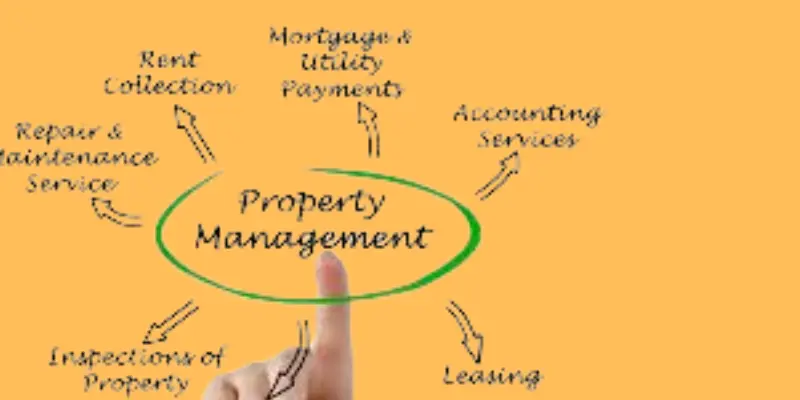
For property owners who may not have the time or knowledge to manage their assets, property management companies or managers handle the day-to-day operations. Their responsibilities include tenant management, rent collection, maintenance, legal compliance, and financial reporting.
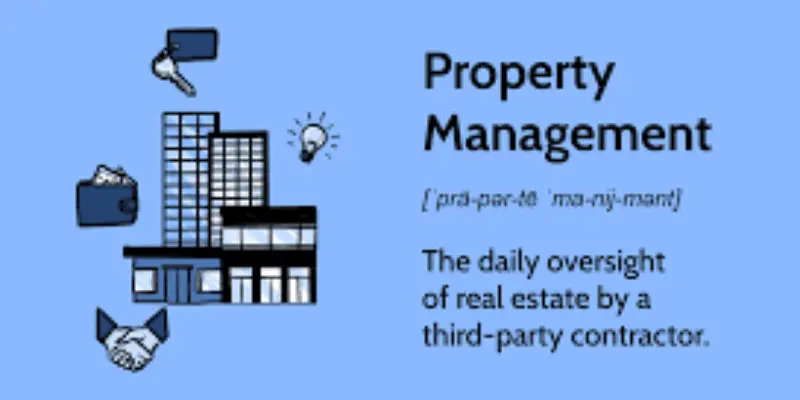
With the global real estate market expanding rapidly, property management has become a vital service for both individual investors and large real estate companies. Whether someone owns a single rental home or a large apartment complex, professional management helps maximize returns while reducing stress.
This guide explains what is property management, how it works, the responsibilities involved, and why it is important for property owners and investors.
History of Property Management
Property management has evolved alongside the development of real estate ownership and urban living. As societies expanded and property ownership increased, the need for organized management of buildings and land became essential.
Ancient Civilizations
Property management practices can be traced back to ancient civilizations such as Egypt, Greece, and Rome. Wealthy landowners owned large estates and hired administrators to oversee agricultural lands, collect rents, and manage workers. These administrators performed duties similar to modern property managers.
Medieval Period
During the medieval era, large estates owned by kings, nobles, and churches required management. Estate managers were responsible for supervising tenants, maintaining land productivity, and collecting rents or taxes from farmers.
Industrial Revolution
The Industrial Revolution in the 18th and 19th centuries led to rapid urbanization. Cities expanded quickly, and large apartment buildings and rental properties emerged. Landlords began hiring professional managers to handle tenants, maintenance, and rent collection.
Early 20th Century
Property management started becoming a professional field in the early 1900s. With the rise of urban housing and commercial buildings, specialized companies began offering property management services.
Professional organizations and legal frameworks were also developed to regulate the industry.
Modern Property Management
Today, property management is a structured industry supported by technology, legal standards, and professional certifications. Digital tools, property management software, and online rent systems have made management more efficient and transparent.
The industry now plays a critical role in the global real estate market.
1. What Is Property Management
Property management is the process of managing real estate on behalf of a property owner. It includes supervising residential, commercial, and industrial properties to ensure they operate efficiently and remain profitable.
A property manager acts as the intermediary between the property owner and tenants. Their job is to maintain the property, manage tenants, collect rent, and ensure legal compliance.
Property management can apply to many types of properties, including:
- Residential homes
- Apartment complexes
- Vacation rentals
- Commercial buildings
- Retail properties
- Industrial warehouses
- Land and plots
The primary goal of property management is to protect the owner’s investment while generating consistent income.
2. How Property Management Works
Property management typically works through a contractual agreement between the property owner and a property management company or manager.
The process usually follows these steps:
Property Owner Hires a Manager
An owner hires a professional property manager or company to oversee the property.
Management Agreement
Both parties sign a contract outlining duties, fees, and responsibilities.
Property Setup
The manager evaluates the property, sets rental rates, and prepares it for tenants.
Tenant Acquisition
Marketing, tenant screening, and lease agreements are handled by the manager.
Daily Operations
The property manager handles rent collection, maintenance, and tenant communication.
Financial Reporting
Owners receive regular financial reports about income, expenses, and performance.
3. Types of Property Management
Property management services can vary depending on the type of real estate being managed.
Residential Property Management
This includes managing:
- Houses
- Apartments
- Condominiums
- Vacation rentals
Residential property managers focus mainly on tenant relations, maintenance, and rent collection.
Commercial Property Management
Commercial property management involves properties used for business purposes, such as:
- Office buildings
- Shopping centers
- Retail stores
- Hotels
Managers handle leases, maintenance, and business tenant relations.
Industrial Property Management
Industrial properties include warehouses, manufacturing facilities, and distribution centers.
Management tasks focus on building maintenance, safety compliance, and large-scale operational needs.
Special Purpose Property Management
Some properties require specialized management such as:
- Schools
- Healthcare facilities
- Storage units
- Senior housing
These properties require managers with specialized knowledge.
4. Responsibilities of a Property Manager
Property managers have a wide range of responsibilities that ensure smooth property operations.
Tenant Management
One of the most important duties is handling tenants. This includes:
- Advertising rental properties
- Screening tenants
- Signing lease agreements
- Addressing tenant complaints
Rent Collection
Property managers ensure that rent is paid on time and handle late payments or penalties.
Property Maintenance
Maintaining the property is essential to protect its value. Managers coordinate repairs, inspections, and improvements.
Legal Compliance
Property managers ensure compliance with:
- Rental laws
- Safety regulations
- Property taxes
- Housing regulations
Financial Management
Managers maintain financial records including:
- Income reports
- Expense tracking
- Budget management
Marketing and Advertising
Vacant units must be marketed effectively to attract new tenants.
5. Key Skills Required for Property Management
Successful property managers require several professional skills.
Communication Skills
Managers must communicate effectively with tenants, owners, contractors, and legal authorities.
Financial Management
Handling rent payments, budgets, and expenses requires strong financial knowledge.
Legal Knowledge
Property managers must understand rental laws, contracts, and housing regulations.
Problem-Solving
Property management often involves resolving disputes and unexpected issues.
Organization Skills
Managing multiple properties requires careful organization and time management.
6. Benefits of Property Management
Property management provides several advantages for property owners and investors.
Saves Time
Owners do not have to deal with tenant issues, maintenance, or rent collection.
Professional Tenant Screening
Managers use professional screening methods to reduce the risk of problematic tenants.
Higher Occupancy Rates
Professional marketing helps reduce vacancy periods.
Legal Protection
Managers ensure that rental operations follow legal regulations.
Property Value Maintenance
Regular maintenance keeps the property in good condition and protects its value.
7. Property Management Fees
Property management companies typically charge fees for their services.
Common fee structures include:
Monthly Management Fee
Usually 8%–12% of the monthly rent.
Tenant Placement Fee
A fee charged for finding and placing new tenants.
Lease Renewal Fee
Some managers charge fees for renewing leases.
Maintenance Fees
Costs for repairs and maintenance coordination.
The exact fee depends on property size, location, and services provided.
8. Challenges in Property Management
Although property management offers many benefits, it also has challenges.
Difficult Tenants
Late payments, disputes, and property damage can occur.
Maintenance Costs
Unexpected repairs may reduce profitability.
Legal Risks
Failure to follow housing laws can lead to penalties.
Vacancy Periods
Empty units result in lost rental income.
Market Changes
Real estate market fluctuations can affect rental demand.
9. Technology in Property Management
Modern property management relies heavily on digital tools and software.
Popular technologies include:
- Property management software
- Online rent payment systems
- Tenant communication platforms
- Digital lease agreements
- Maintenance tracking systems
These tools improve efficiency and reduce administrative work.
10. How to Choose a Property Management Company
Selecting the right property manager is important for maximizing investment returns.
Property owners should consider:
Experience
Choose a company with experience in managing similar properties.
Reputation
Check online reviews and client testimonials.
Services Offered
Ensure the company provides the services you need.
Fees and Transparency
Understand the fee structure and contract terms.
Communication
A good property manager maintains clear and regular communication.
11. Property Management vs Self-Management
Some property owners prefer managing properties themselves instead of hiring professionals.
| Feature | Property Manager | Self-Management |
|---|---|---|
| Time Required | Low | High |
| Expertise | Professional | Depends on owner |
| Tenant Screening | Professional process | Owner responsibility |
| Legal Compliance | Managed by professionals | Owner responsibility |
| Costs | Management fees | No fees but more effort |
Self-management may save money but requires significant time and effort.
12. Who Needs Property Management
Property management is beneficial for many types of property owners.
It is especially useful for:
- Real estate investors
- Landlords with multiple properties
- Owners living far from their property
- Commercial property owners
- Busy professionals with limited time
For these owners, hiring a property manager simplifies operations and reduces stress.
13. Future of Property Management
The property management industry continues to evolve with technological advancements.
Future trends include:
- AI-powered tenant screening
- Smart building management
- Automated rent payments
- Data-driven property analytics
- Sustainable building management
These innovations are making property management more efficient and profitable.
Pros and Cons of Property Management
| Pros | Cons |
|---|---|
| Saves time for property owners | Management fees reduce profits |
| Professional tenant screening | Owners have less direct control |
| Efficient rent collection | Some companies may provide poor service |
| Regular property maintenance | Communication delays may occur |
| Legal compliance with rental laws | Contracts may be complex |
| Reduced stress for landlords | Additional administrative costs |
Comparison of Property Management
| Feature | Property Management | Self Property Management | Real Estate Agent |
|---|---|---|---|
| Main Role | Manage property operations | Owner manages property | Helps buy or sell property |
| Tenant Handling | Managed professionally | Owner responsibility | Usually not involved |
| Rent Collection | Handled by manager | Owner collects rent | Not responsible |
| Maintenance | Organized by management | Owner manages repairs | Not involved |
| Time Required | Low for owner | High for owner | Only during property transactions |
| Fees | Monthly management fee | No management fee | Commission on sale or purchase |
FAQs on Property Management
1. What is property management in real estate?
Property management is the process of overseeing and managing real estate properties on behalf of owners. It includes tenant management, rent collection, maintenance, and legal compliance.
2. Who hires property managers?
Property managers are typically hired by landlords, real estate investors, and companies that own residential or commercial properties.
3. How much do property management companies charge?
Most property management companies charge between 8% and 12% of the monthly rental income, although fees may vary depending on services and property type.
4. What types of properties need property management?
Property management services are used for many property types including apartments, houses, commercial buildings, retail spaces, and industrial properties.
5. Can a property owner manage their property without a manager?
Yes, property owners can manage their properties themselves. However, self-management requires time, knowledge of legal regulations, and effort to handle tenants and maintenance.
6. Why is property management important?
Property management helps maintain property value, ensures smooth operations, manages tenants professionally, and helps property owners generate stable rental income.
Summary
Property management is the professional administration and supervision of real estate properties. It involves managing tenants, maintaining buildings, collecting rent, and ensuring legal compliance.
Professional property managers help property owners maximize profits while reducing the workload involved in managing rental properties. Their services include marketing, financial management, maintenance coordination, and tenant relations.
Whether managing residential homes or large commercial buildings, property management plays a crucial role in maintaining property value and ensuring smooth operations.
Conclusion
Property management is an essential part of the real estate industry. It allows property owners to benefit from their investments without handling the complex daily responsibilities of managing tenants and maintaining properties.
A professional property manager ensures that properties remain profitable, well-maintained, and legally compliant. For many investors and landlords, hiring a property management company is a strategic decision that helps protect their assets and improve long-term returns.
As the real estate industry continues to grow, property management services will remain a key component in ensuring successful property investment and ownership.






- Be Respectful
- Stay Relevant
- Stay Positive
- True Feedback
- Encourage Discussion
- Avoid Spamming
- No Fake News
- Don't Copy-Paste
- No Personal Attacks
- Be Respectful
- Stay Relevant
- Stay Positive
- True Feedback
- Encourage Discussion
- Avoid Spamming
- No Fake News
- Don't Copy-Paste
- No Personal Attacks
