How to Choose the Right Residential Property for Investment: Expert Tips for Smart Buyers (2026 Guide)
Published: 21 Jul 2026
Choosing the right residential property for investment is one of the most important financial decisions you can make. A well-selected property can generate steady rental income, appreciate in value over time, and become a reliable long-term asset. On the other hand, buying the wrong property may lead to poor returns, unexpected maintenance costs, long vacancy periods, and financial stress.
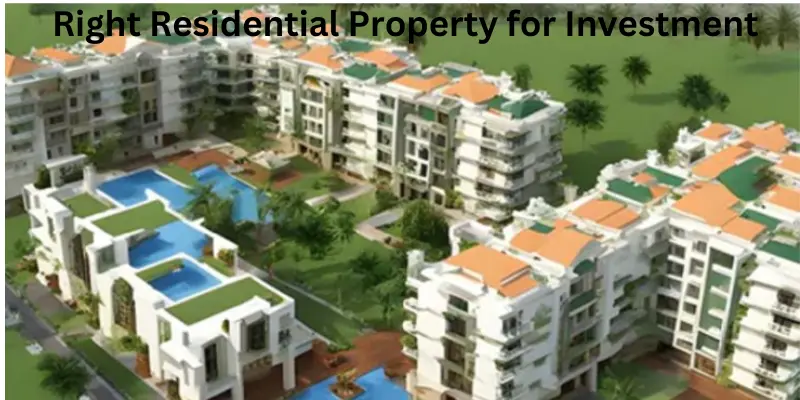
The residential real estate market continues to evolve in 2026 due to changing buyer preferences, urban development, remote work trends, smart home technology, and government housing policies. Investors are no longer looking only at property prices. They carefully evaluate location quality, future infrastructure projects, rental demand, neighborhood development, and long-term capital appreciation before making a purchase.
Whether you are investing for the first time or expanding your real estate portfolio, understanding how to choose the right residential property for investment can significantly improve your chances of success. This comprehensive guide explains the essential factors every smart buyer should consider before purchasing an investment property.
Why Residential Property Remains One of the Best Investment Options
Residential real estate has consistently remained one of the safest investment options worldwide. Unlike many volatile investment vehicles, residential properties provide both recurring rental income and long-term asset appreciation.
People will always need homes, making residential properties less vulnerable to sudden market changes than many commercial sectors. Growing urban populations, increasing employment opportunities, and infrastructure expansion continue creating demand for quality housing.
Some of the biggest advantages include:
- Consistent rental income
- Long-term property appreciation
- Tax benefits in many countries
- Lower volatility than many financial investments
- Opportunity to leverage financing
- Physical asset ownership
- Portfolio diversification
Investors who purchase wisely often build significant wealth over time through appreciation and rental cash flow.
Define Your Investment Goals Before Buying
Every successful investment begins with a clear objective. Before searching for properties, determine exactly what you want your investment to achieve.
Long-Term Capital Appreciation
Some investors focus primarily on purchasing properties expected to increase substantially in value over several years. These are usually located in developing neighborhoods with future infrastructure projects.
Monthly Rental Income
Others prioritize properties capable of generating immediate positive cash flow through rental income.
Vacation Rental Investment
Short-term rental properties located in tourist destinations may generate higher income but require active management.
Future Family Home
Some buyers invest today with plans to move into the property later.
Your investment goal directly affects property type, location, financing strategy, and budget.
Set a Realistic Investment Budget
A common mistake among new investors is focusing only on the property’s purchase price.
Your actual investment budget should include:
- Down payment
- Registration fees
- Legal expenses
- Property taxes
- Loan processing fees
- Home insurance
- Renovation costs
- Maintenance reserve
- Interior furnishing (if renting furnished)
- Emergency fund
Financial planning helps avoid unexpected expenses after purchasing.
Research the Local Real Estate Market
One of the smartest ways to choose the right residential property for investment is by thoroughly researching the local market.
Analyze:
- Average selling prices
- Rental demand
- Vacancy rates
- Historical appreciation
- Population growth
- Employment opportunities
- Infrastructure development
- School districts
- Transportation access
A growing market generally offers stronger appreciation potential than saturated areas.
Location Is Still the Most Important Factor
Experienced investors consistently agree that location has the greatest influence on investment success.
A good property in an excellent location usually outperforms a luxury property in a poor location.
Look for neighborhoods with:
- Reliable public transportation
- Hospitals
- Shopping centers
- Educational institutions
- Employment hubs
- Parks
- Entertainment facilities
- Low crime rates
- Clean surroundings
- Planned infrastructure projects
Properties near metro stations, business districts, universities, and technology parks often experience stronger demand.
Understand Different Residential Property Types
Residential investments come in several forms, each with unique advantages.
Apartments
Apartments often require lower maintenance and attract working professionals, students, and young families.
Independent Houses
They offer greater land ownership and appreciation potential but involve higher maintenance costs.
Townhouses
Townhouses provide a balance between apartments and detached homes.
Luxury Apartments
Luxury properties appeal to high-income tenants and premium buyers but require larger investments.
Affordable Housing
Affordable housing generally enjoys stronger rental demand due to broader market accessibility.
Selecting the right property type depends on your investment objectives and local demand.
Evaluate Future Development Potential
Current market conditions matter, but future growth often determines long-term profitability.
Research planned developments such as:
- New highways
- Metro rail projects
- Airports
- IT parks
- Commercial districts
- Shopping malls
- Hospitals
- Universities
- Industrial zones
Areas undergoing infrastructure expansion frequently experience significant property appreciation over time.
Analyze Rental Demand Carefully
Even beautiful homes become poor investments if tenants are difficult to find.
Rental demand depends on:
- Employment centers
- Educational institutions
- Transportation
- Neighborhood safety
- Local amenities
- Property affordability
- Population growth
Study average rental occupancy before purchasing.
Calculate Expected Return on Investment
Never buy solely based on emotions.
Estimate:
- Annual rental income
- Annual maintenance costs
- Property taxes
- Insurance
- Loan payments
- Vacancy allowance
- Capital appreciation
Important investment metrics include:
- Gross Rental Yield
- Net Rental Yield
- Cash Flow
- Cash-on-Cash Return
- Return on Investment (ROI)
Comparing multiple properties using these calculations helps identify better opportunities.
Check Neighborhood Quality
The surrounding community significantly affects both rental demand and resale value.
Evaluate:
- Cleanliness
- Safety
- Noise levels
- Street lighting
- Public parks
- Schools
- Grocery stores
- Healthcare facilities
- Public transportation
- Future commercial growth
Visiting the neighborhood during different times of the day provides a more accurate assessment.
Examine the Property’s Physical Condition
A lower purchase price may hide expensive repair costs.
Inspect:
- Roofing
- Foundation
- Plumbing
- Electrical systems
- Water supply
- Drainage
- Flooring
- Windows
- Doors
- Paint quality
- Structural cracks
- Pest issues
Professional inspections help identify hidden defects before purchase.
Compare New Construction vs Resale Property
Both options have advantages.
New Construction
- Modern amenities
- Lower maintenance
- Better energy efficiency
- Developer warranties
- Attractive designs
Resale Properties
- Established neighborhoods
- Immediate availability
- Negotiation opportunities
- Proven market value
- Mature landscaping
The better option depends on your investment strategy and market conditions.
Verify Legal Documents Before Investing
One of the most overlooked aspects of how to choose the right residential property for investment is verifying the property’s legal status. Even a property in a prime location can become a financial burden if legal issues arise after purchase.
Before signing any agreement, verify that the property has clear ownership and all necessary approvals. Hiring a qualified real estate lawyer can help protect your investment.
Essential documents to verify include:
- Title deed
- Sale agreement
- Occupancy certificate (where applicable)
- Completion certificate
- Building approval plan
- Property tax receipts
- Encumbrance certificate
- Utility bills
- Identity documents of the seller
- Home loan clearance certificate (if financed previously)
Legal due diligence minimizes future disputes and increases buyer confidence.
Understand Financing Options
Many investors purchase residential properties through home loans. Choosing the right financing option directly impacts profitability.
Compare several lenders before making a decision. Look beyond interest rates and evaluate the total borrowing cost.
Important financing factors include:
- Interest rate
- Loan tenure
- Processing fees
- Prepayment charges
- Down payment requirement
- EMI affordability
- Fixed vs floating interest rate
A lower monthly installment may seem attractive, but a longer loan tenure often increases the total interest paid.
Maintaining a healthy credit score can also help secure better loan terms.
Calculate Total Cost of Ownership
Many first-time investors focus only on the purchase price, overlooking the ongoing expenses associated with owning residential property.
The total cost of ownership includes:
- Registration charges
- Stamp duty
- Maintenance fees
- Property tax
- Insurance
- Society charges
- Repairs
- Renovation expenses
- Vacancy costs
- Property management fees
Accurately estimating these expenses provides a realistic picture of your long-term returns.

Evaluate Rental Yield Before Buying
Rental yield is one of the most important metrics when evaluating an investment property.
The basic formula is:
Rental Yield = (Annual Rental Income ÷ Property Price) × 100
For example:
- Property price: $250,000
- Annual rental income: $15,000
Rental Yield = 6%
Higher rental yields generally improve monthly cash flow, although appreciation potential should also be considered.
Compare rental yields across neighborhoods before making a final decision.
Estimate Capital Appreciation Potential
Rental income is only one side of property investment. Long-term appreciation often creates the largest profits.
Properties located in rapidly developing areas usually experience stronger value growth.
Indicators of appreciation include:
- Infrastructure development
- New highways
- Metro expansion
- Corporate offices
- Educational institutions
- Healthcare facilities
- Population growth
- Commercial projects
- Government development plans
Historical appreciation trends also provide useful insights into future growth potential.
Choose the Right Builder or Developer
If you’re purchasing a newly constructed property, the developer’s reputation matters significantly.
Research the builder’s:
- Previous projects
- Delivery timelines
- Construction quality
- Customer reviews
- Financial stability
- Legal compliance
- Market reputation
Reliable developers typically deliver projects on schedule and maintain better construction standards.
Speaking with previous buyers can provide valuable real-world insights.
Inspect Construction Quality
Never rely solely on attractive brochures or model apartments.
Conduct a detailed inspection of:
- Wall quality
- Flooring
- Ceiling finish
- Plumbing fixtures
- Electrical wiring
- Ventilation
- Waterproofing
- Balcony safety
- Window installation
- Door quality
Professional home inspections can identify hidden defects that may require costly repairs later.
Evaluate Property Amenities
Modern buyers and tenants increasingly prioritize lifestyle amenities.
Properties with desirable amenities often command higher rental rates and better resale values.
Popular amenities include:
- Security systems
- CCTV surveillance
- Children’s play areas
- Fitness centers
- Swimming pools
- Community halls
- Walking tracks
- Landscaped gardens
- Parking facilities
- Backup power
- High-speed internet readiness
Choose amenities that match the needs of your target tenants rather than paying extra for unnecessary luxury features.
Consider Smart Home Features
Technology continues transforming residential real estate in 2026.
Smart homes often attract higher-income tenants and improve resale value.
Popular smart features include:
- Smart door locks
- Video doorbells
- Home automation
- Smart lighting
- Energy management systems
- Smart thermostats
- Leak detection systems
- Security monitoring
- Voice-controlled devices
Although smart features may increase the purchase price slightly, they can improve market competitiveness.
Assess Safety and Security
Safety strongly influences both property demand and resale value.
Evaluate:
- Crime statistics
- Security guards
- Gated community
- CCTV cameras
- Fire safety systems
- Emergency exits
- Street lighting
- Visitor management
- Neighborhood reputation
Families generally prefer communities with strong security infrastructure.
Understand Local Market Demand
Every location has different buyer and tenant preferences.
Some markets favor:
- Studio apartments
- Two-bedroom homes
- Family villas
- Luxury residences
- Affordable housing
- Student accommodation
Study local demographics to determine which property types have the strongest demand.
Buying a property that aligns with market demand reduces vacancy risk.
Think About Future Resale Value
A profitable investment should remain attractive to future buyers.
Ask yourself:
- Will demand still exist after 10 years?
- Is the neighborhood growing?
- Are employment opportunities increasing?
- Is infrastructure improving?
- Will the property remain competitive?
Properties in desirable locations with functional layouts generally enjoy stronger resale potential.
Diversify Your Real Estate Portfolio
Experienced investors rarely place all their capital into a single property.
Diversification reduces investment risk.
Examples include:
- Apartments
- Villas
- Affordable housing
- Premium residences
- Student housing
- Senior living communities
Some investors also diversify geographically by purchasing properties in different cities.
A diversified portfolio can provide greater financial stability during market fluctuations.
Avoid Emotional Buying
Many buyers become emotionally attached to attractive homes.
Successful investors focus on numbers rather than emotions.
Always evaluate:
- Expected ROI
- Rental demand
- Appreciation potential
- Maintenance costs
- Financing expenses
- Occupancy rate
- Market trends
An investment property should meet your financial objectives rather than personal preferences.
Common Mistakes Residential Property Investors Should Avoid
Even experienced investors occasionally make costly mistakes.
Common investment mistakes include:
- Ignoring legal verification
- Overpaying for a property
- Underestimating maintenance costs
- Choosing poor locations
- Buying without market research
- Depending only on appreciation
- Ignoring rental demand
- Taking excessive loans
- Skipping professional inspections
- Failing to compare multiple properties
Avoiding these mistakes significantly improves long-term investment performance.
Tax Considerations for Residential Property Investment
Taxes play a major role in determining the actual profitability of an investment property. Every country has different tax regulations, so understanding local laws before purchasing is essential.
Common taxes and financial obligations include:
- Property tax
- Stamp duty
- Registration charges
- Capital gains tax
- Rental income tax
- Wealth tax (where applicable)
Many governments also offer tax benefits on home loans, depreciation, or certain investment properties. Consulting a qualified tax advisor helps maximize available deductions while ensuring compliance with local regulations.
Should You Buy an Under-Construction or Ready-to-Move Property?
One of the biggest decisions investors face is whether to purchase an under-construction property or a ready-to-move home.
Under-Construction Properties
These properties are often available at lower prices and may appreciate significantly before completion. Buyers may also benefit from flexible payment plans.
However, potential risks include project delays, construction quality concerns, and changes in market conditions.
Ready-to-Move Properties
Completed homes provide immediate possession, faster rental income, and lower uncertainty. Investors can inspect the actual property before purchasing.
Although ready properties generally cost more than under-construction projects, they reduce several investment risks.
The right choice depends on your financial goals, risk tolerance, and investment timeline.
How Infrastructure Development Increases Property Value
Infrastructure projects often have a direct impact on residential property prices.
Developments that commonly increase property values include:
- Metro rail expansion
- New highways
- International airports
- IT parks
- Industrial corridors
- Educational institutions
- Hospitals
- Shopping malls
- Business districts
- Public transportation improvements
Properties purchased before major infrastructure projects are completed often experience stronger appreciation over time.
Monitoring government development plans can help investors identify promising locations before prices rise.
Why Demographics Matter in Residential Investment
Successful property investors study the people who live and work in a specific area.
Important demographic indicators include:
- Population growth
- Average household income
- Employment rates
- Family size
- Student population
- Migration trends
- Age distribution
- Homeownership rates
For example, areas with young professionals may have strong demand for modern apartments, while suburban neighborhoods often attract larger families seeking independent homes.
Understanding local demographics helps investors choose properties that match market demand.
Importance of Property Management
Managing rental property requires time, organization, and regular maintenance.
Professional property management companies can handle:
- Tenant screening
- Rent collection
- Maintenance coordination
- Lease agreements
- Property inspections
- Vacancy marketing
- Financial reporting
- Legal compliance
Although management services involve additional costs, they can save investors considerable time and help maintain consistent rental income.
This is especially valuable for investors who own multiple properties or live in another city.
Signs of a High-Growth Residential Neighborhood
One of the best ways to choose the right residential property for investment is identifying neighborhoods with strong growth potential.
Look for these indicators:
- Increasing employment opportunities
- New commercial developments
- Expanding transportation networks
- Rising rental demand
- High occupancy rates
- New educational institutions
- Improved healthcare facilities
- Ongoing infrastructure projects
- Government investment
- Increasing property transactions
Early investment in emerging neighborhoods often leads to better long-term returns.
Residential Property Investment Checklist
Before making your final purchase decision, review this checklist.
Investment Checklist
- Define your investment objective.
- Set a realistic budget.
- Research the local real estate market.
- Compare multiple properties.
- Verify all legal documents.
- Inspect construction quality.
- Evaluate rental demand.
- Calculate rental yield.
- Estimate future appreciation.
- Review neighborhood safety.
- Assess nearby amenities.
- Compare financing options.
- Calculate total ownership costs.
- Verify the builder’s reputation.
- Consider resale potential.
- Plan for long-term maintenance.
- Understand local taxes.
- Prepare an emergency fund.
Using a structured checklist reduces investment risks and supports informed decision-making.
Frequently Asked Questions
What is the most important factor when choosing a residential investment property?
Location remains the most important factor because it influences rental demand, appreciation potential, occupancy rates, and resale value.
How much rental yield is considered good?
A good rental yield varies by location and property type. Investors should compare local market averages while considering appreciation potential and maintenance costs.
Is buying a new property better than purchasing a resale home?
Both options have advantages. New properties often include modern amenities and lower maintenance, while resale homes may be located in established neighborhoods with proven demand.
How do I know if a property will appreciate in value?
Study infrastructure development, employment growth, population trends, commercial expansion, and historical price performance in the area.
Should first-time investors hire a real estate consultant?
Working with experienced real estate professionals, legal advisors, and financial experts can help first-time buyers avoid costly mistakes and make informed investment decisions.
Can residential property generate passive income?
Yes. A well-selected rental property can provide consistent monthly income while potentially increasing in value over the long term.
Conclusion
Learning how to choose the right residential property for investment requires careful planning, detailed research, and disciplined financial decision-making. Successful investors focus on more than attractive prices or appealing interiors. They evaluate location, rental demand, legal compliance, financing options, infrastructure development, neighborhood quality, construction standards, and long-term appreciation before committing to a purchase.
In 2026, smart residential property investment is driven by data, market research, and future growth potential. Buyers who understand market trends, calculate expected returns, verify legal documentation, and invest in high-demand locations are better positioned to build long-term wealth through real estate.
Whether your objective is generating rental income, achieving capital appreciation, or creating a diversified investment portfolio, following the strategies outlined in this guide will help you make confident and informed decisions. By applying these expert tips and avoiding common mistakes, you can maximize returns and choose a residential property that supports your financial goals for years to come.






- Be Respectful
- Stay Relevant
- Stay Positive
- True Feedback
- Encourage Discussion
- Avoid Spamming
- No Fake News
- Don't Copy-Paste
- No Personal Attacks
- Be Respectful
- Stay Relevant
- Stay Positive
- True Feedback
- Encourage Discussion
- Avoid Spamming
- No Fake News
- Don't Copy-Paste
- No Personal Attacks
