What Are Residential Properties? Complete Guide for Beginners
Published: 13 Mar 2026
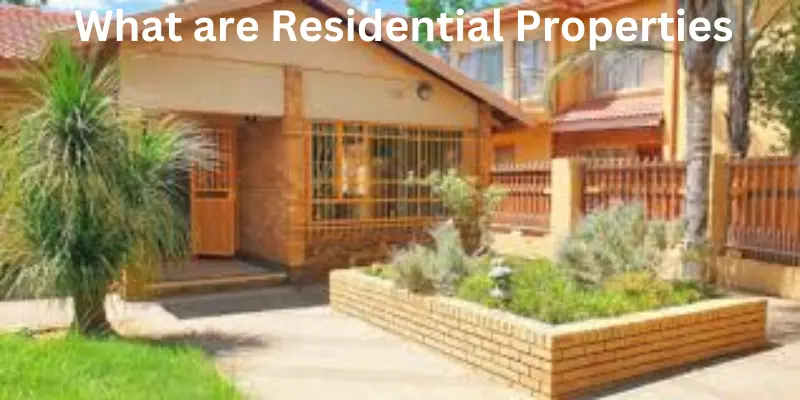
Residential properties like other properties play a central role in modern society because they provide people with a place to live, relax, and build their daily lives. Whether it is a house, apartment, condominium, or townhouse, residential property refers to any real estate designed primarily for people to live in rather than for business or commercial purposes.
The global real estate market has grown significantly over the past few decades. Urbanization, population growth, and economic development have increased the demand for housing in cities and suburban areas. As a result, residential properties have become one of the most important sectors of the real estate industry.
For many individuals, buying residential property is one of the biggest financial decisions they will ever make. Homeownership offers stability, security, and long-term financial investment opportunities. At the same time, residential properties are also essential for renters, landlords, investors, and property developers.
Understanding what are residential properties , their types, features, benefits, and investment potential is essential for anyone interested in real estate. This article provides a complete guide explaining residential properties, how they work, and why they are important in today’s housing market.
Definition of Residential Properties
Residential properties are real estate structures intended for people to live in. These properties are designed to provide housing and living spaces for individuals, families, or groups of people.
Unlike commercial properties that are used for businesses such as offices, shops, and warehouses, residential properties are meant solely for residential purposes.
Key Characteristics of Residential Properties
Residential properties usually include the following features:
Living spaces such as bedrooms and living rooms
Kitchen and dining areas
Bathrooms and sanitation facilities
Utilities such as water, electricity, and heating
Private or shared outdoor spaces
These features make residential properties suitable for daily living and long-term accommodation.
Types of Residential Properties
Residential real estate includes several types of housing options designed to meet different needs, budgets, and lifestyles.
Single-Family Homes
Single-family homes are standalone houses designed for one family. They are one of the most common forms of residential property.
Key features include:
Private entrance
Private yard or garden
Separate utilities
Greater privacy
These homes are popular in suburban areas and are often preferred by families.
Apartments
Apartments are residential units located within a larger building that contains multiple housing units.
Each apartment usually includes:
Bedroom or bedrooms
Kitchen
Bathroom
Living area
Apartments are common in urban areas where land space is limited. They are ideal for individuals, couples, and small families.
Condominiums
A condominium, often called a condo, is similar to an apartment but owned individually rather than rented.
In condominium buildings:
Owners own their individual units
Common areas such as elevators, hallways, and gyms are shared
Residents pay maintenance fees for shared services
Condos are popular in cities due to their convenience and modern amenities.
Townhouses
Townhouses are residential units that share walls with neighboring houses but have separate entrances.
Key characteristics include:
Multiple floors
Shared side walls
Private front or back entrance
Townhouses provide a balance between apartments and single-family homes.
Duplexes and Triplexes
These properties contain two or three residential units within the same building.
For example:
A duplex contains two housing units
A triplex contains three housing units
These properties are popular among investors because they can generate rental income from multiple tenants.
Villas
Villas are large and luxurious residential properties usually located in upscale neighborhoods or vacation areas.
Features of villas often include:
Large living spaces
Private gardens or pools
High-end architecture
Luxury amenities
Villas are commonly associated with luxury real estate markets.
Mobile Homes
Mobile homes are prefabricated houses built in factories and transported to residential sites.
These homes are often more affordable than traditional houses and are commonly found in mobile home communities.
Difference Between Residential and Commercial Properties
Understanding the difference between residential and commercial properties helps clarify how real estate is categorized.
Residential Properties
Used for living purposes
Examples include houses, apartments, and condos
Commercial Properties
Used for business purposes
Examples include offices, hotels, shopping centers, and warehouses
Mixed-Use Properties
Some properties combine both residential and commercial functions. For example, a building may have shops on the ground floor and apartments above.
Importance of Residential Properties
Residential properties are essential for social and economic development.
Providing Housing
The primary purpose of residential properties is to provide safe and comfortable housing for people.
Supporting Economic Growth
The residential real estate sector contributes significantly to national economies through construction, property sales, and rental markets.
Community Development
Housing developments create neighborhoods, communities, and social environments where people live and interact.
Investment Opportunities
Residential real estate is one of the most popular forms of investment because it can generate rental income and long-term property appreciation.
Benefits of Owning Residential Property
Owning residential property offers several advantages for homeowners and investors.
Long-Term Financial Investment
Real estate values often increase over time, making residential property a valuable long-term investment.
Rental Income
Property owners can rent out residential units to generate monthly income.
Financial Security
Homeownership provides stability and protection from rising rental costs.
Tax Benefits
In many countries, property owners receive tax benefits such as deductions on mortgage interest.
Personal Freedom
Homeowners can renovate, decorate, and modify their property according to their preferences.
Factors That Affect Residential Property Value
Several factors influence the market value of residential properties.
Location
Location is one of the most important factors. Properties in prime locations usually have higher value.
Important location factors include:
Proximity to schools
Access to transportation
Nearby shopping centers
Safety and neighborhood quality
Property Size and Layout
Larger homes with more bedrooms and bathrooms generally have higher market value.
Property Condition
Well-maintained properties with modern facilities attract higher prices.
Market Demand
Housing prices increase when demand for homes is high.
Economic Conditions
Interest rates, employment levels, and economic growth influence residential property markets.

Residential Property as an Investment
Many investors choose residential real estate because it provides both income and long-term growth.
Rental Income
Investors can earn monthly rent from tenants.
Property Appreciation
Over time, property values may increase, allowing investors to sell at a profit.
Portfolio Diversification
Real estate provides diversification for investment portfolios.
Inflation Protection
Property values and rental prices often increase with inflation.
Challenges of Residential Property Ownership
Although residential property has many advantages, it also comes with challenges.
High Initial Costs
Buying property requires a large financial investment including down payments and closing costs.
Maintenance Responsibilities
Homeowners must pay for repairs, maintenance, and property management.
Market Risks
Property values can fluctuate due to economic changes.
Legal and Regulatory Issues
Property owners must follow local housing regulations and property laws.
Future Trends in Residential Properties
The residential real estate market continues to evolve due to technology, urbanization, and environmental concerns.
Smart Homes
Modern homes are increasingly equipped with smart technology such as automated lighting, security systems, and energy management.
Sustainable Housing
Eco-friendly homes with energy-efficient designs are becoming more popular.
Urban Housing Growth
Cities are developing more high-rise residential buildings to accommodate growing populations.
Remote Work Housing Trends
The rise of remote work has increased demand for larger homes with office spaces.
Residential vs Commercial Property Comparison Table
| Feature | Residential Property | Commercial Property |
|---|---|---|
| Purpose | Used for living and housing | Used for business activities |
| Examples | Houses, apartments, condos, townhouses | Offices, shopping malls, hotels, warehouses |
| Lease Duration | Usually shorter (6 months to 1 year) | Often longer (3–10 years) |
| Tenant Type | Individuals or families | Businesses or companies |
| Investment Cost | Generally lower than commercial properties | Usually higher investment cost |
| Management | Easier to manage | Requires professional management |
| Income Potential | Stable rental income | Potentially higher rental income |
| Risk Level | Lower risk | Higher risk but higher returns |
This comparison helps readers clearly understand the differences between residential and commercial real estate.
Top 10 Residential Property Investment Tips
Investing in residential real estate can be profitable if done correctly. Here are ten useful tips for beginners and experienced investors.
1. Choose the Right Location
Location is one of the most important factors in real estate investment. Properties near schools, hospitals, transportation, and business centers usually have higher value.
2. Research the Local Market
Before investing, study property prices, rental demand, and market trends in the area.
3. Set a Realistic Budget
Calculate all expenses including purchase price, taxes, maintenance, and insurance before buying property.
4. Focus on Rental Demand
Choose areas with strong rental demand to ensure consistent income.
5. Inspect the Property Carefully
Always conduct a professional property inspection to identify potential problems.
6. Consider Long-Term Appreciation
Invest in areas where property values are expected to grow over time.
7. Understand Legal Requirements
Make sure you understand local property laws, taxes, and regulations before purchasing real estate.
8. Diversify Your Investments
Avoid investing all your money in a single property. Diversification reduces risk.
9. Maintain the Property Properly
Regular maintenance keeps property value high and attracts quality tenants.
10. Think Long-Term
Real estate investment usually provides the best returns over the long term rather than short-term speculation.
FAQs About Residential Properties
1. What are residential properties?
Residential properties are real estate properties designed for people to live in. Examples include houses, apartments, condominiums, townhouses, and villas.
2. What is the difference between residential and commercial properties?
Residential properties are used for housing, while commercial properties are used for business purposes such as offices, shops, and hotels.
3. Is residential property a good investment?
Yes, residential property can be a good investment because it offers rental income, long-term property appreciation, and financial stability.
4. What factors affect residential property prices?
Important factors include location, property size, property condition, local demand, economic conditions, and nearby facilities.
5. What are the most common types of residential properties?
Common types include single-family homes, apartments, condominiums, townhouses, duplexes, and villas.
6. How can beginners invest in residential real estate?
Beginners can start by researching the market, choosing affordable properties, securing financing, and investing in locations with strong rental demand.
Summary
Residential properties are real estate designed primarily for people to live in. They include different housing types such as single-family homes, apartments, condominiums, townhouses, duplexes, and villas. These properties form the foundation of communities and play a crucial role in economic development and social stability.
Residential real estate offers numerous benefits including housing security, investment opportunities, and financial growth. However, property ownership also requires careful planning, financial management, and long-term responsibility.
Understanding the different types of residential properties, their features, and the factors that affect their value helps individuals make better housing and investment decisions. Whether someone is buying a home, renting a property, or investing in real estate, knowledge of residential property fundamentals is essential.
Conclusion
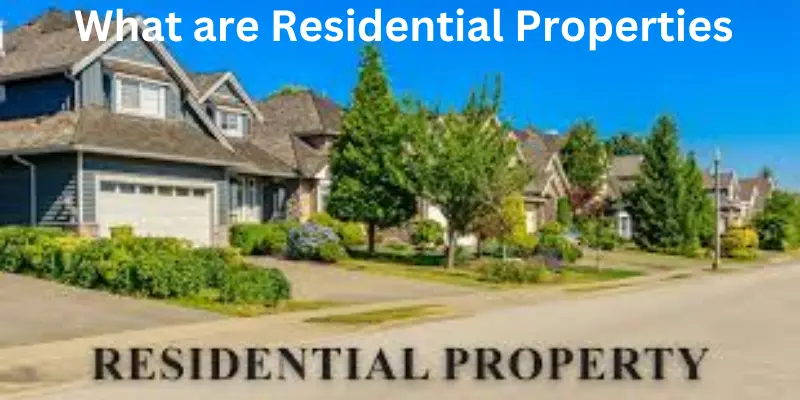
Residential properties are a fundamental part of the real estate industry and everyday life. They provide shelter, comfort, and security while also serving as valuable financial assets. From small apartments to large luxury villas, residential properties come in many forms to meet the diverse needs of individuals and families.
As populations grow and urban areas expand, the demand for residential housing will continue to increase. Technological advancements, sustainable building practices, and changing lifestyle preferences will shape the future of residential properties.
For homeowners, renters, and investors alike, understanding residential real estate is essential for making informed decisions. By learning about property types, market trends, and investment opportunities, individuals can better navigate the housing market and benefit from the long-term value that residential properties offer.





- Be Respectful
- Stay Relevant
- Stay Positive
- True Feedback
- Encourage Discussion
- Avoid Spamming
- No Fake News
- Don't Copy-Paste
- No Personal Attacks
- Be Respectful
- Stay Relevant
- Stay Positive
- True Feedback
- Encourage Discussion
- Avoid Spamming
- No Fake News
- Don't Copy-Paste
- No Personal Attacks
